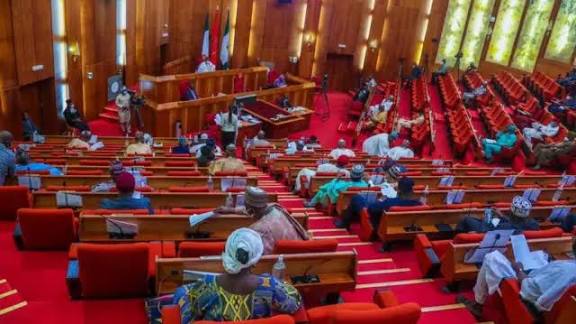
Nigeria’s 2027 general elections face major uncertainty because the National Assembly has stalled a law to update voting rules. If amended legislation is not passed and signed within three weeks, the election may be postponed or forced to use old, problematic laws.
The House of Representatives postponed debate on the Electoral Act changes last Thursday. This delay clashes with strict legal deadlines. Under current law, election notices must be issued by February 24, 2026, for a February 2027 vote, leaving little time for any new rules to be implemented.
Proposed reforms are now in limbo. These include holding all elections in one day, requiring electronic transmission of results, allowing early voting, and setting shorter timelines for resolving election disputes. A key proposal to move presidential elections to November 2026 is already at risk due to the delays.
While the Senate formed a committee to finalize its version of the bill, the House halted work. This happened partly because copies of the bill weren’t available for lawmakers. The House has also paused for budget talks, pushing the issue further back.
Opposition parties accuse the ruling party of deliberately slowing the process. The African Democratic Congress warned that delays create confusion and could damage the election’s credibility. Legal experts and civil society groups say late changes could lead to court battles and planning chaos.
The electoral commission, INEC, needs clear laws well in advance to organize voting logistics, training, and procurement. Without a new law soon, INEC may have to revert to the 2022 Act, meaning none of the proposed improvements would apply in 2027.
Stakeholders are calling for urgent, transparent action from lawmakers. They warn that further hesitation risks a constitutional crisis and undermines public trust in the electoral process.
The next few weeks are critical. The path chosen by the National Assembly will determine whether Nigeria heads into the 2027 polls with reformed, more trustworthy rules or outdated ones mired in past controversies.