The Independent National Electoral Commission, Independent National Electoral Commission, says it is tightening internal accountability around election result collation, identifying that stage as the most vulnerable point in the electoral chain.
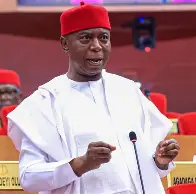
Speaking on Wednesday in Abuja during a meeting with Resident Electoral Commissioners and the inauguration of a new commissioner for Abia, INEC Chairman Joash Ojo Amupitan said recent system upgrades are aimed squarely at preventing human interference after voting ends.
The INEC chairman explained that the reforms focus on how results are handled and transmitted, rather than on accreditation alone, noting that weaknesses at collation centres have historically attracted allegations of manipulation and public mistrust.
Under the updated process, presiding officers are now required to upload images of completed polling unit result sheets and enter party scores directly into the BVAS device, a move officials say creates traceable responsibility at the point of data entry.
According to the commission, the system now runs automatic internal checks that block the finalisation of results where figures exceed accredited voters or fail basic mathematical consistency, effectively stopping over-voting before it reaches higher collation levels.
INEC says the measures were tested during recent elections in the Federal Capital Territory Area Councils as well as constituency polls in Kano State and Rivers State, with officials reporting that uploaded results matched physical records.
Addressing a viral allegation from a polling unit in Kwali Area Council, the commission said its internal review traced the issue to a clerical error by a presiding officer, which was corrected at ward collation, stressing that transparency mechanisms made the discrepancy easy to detect and resolve.
Looking ahead, INEC announced plans to review its regulations in line with the newly enacted Electoral Act, revalidate the voter register, and adjust the 2027 election timetable, steps the commission says are intended to strengthen institutional responsibility and public confidence before the next general election.