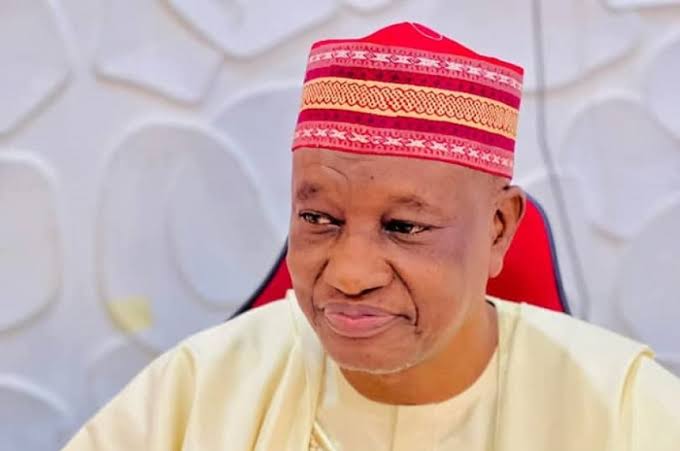
A major anti-corruption ruling by a Federal High Court in Abuja has intensified scrutiny on accountability in Nigeria’s power sector after former Minister of Power, Saleh Mamman, was sentenced to 75 years imprisonment over the diversion of funds linked to the Zungeru and Mambilla hydroelectric projects.
Justice James Omotosho delivered the judgment on Wednesday after finding the former minister guilty on all 12 counts brought against him by the Economic and Financial Crimes Commission. Prosecutors told the court that billions of naira meant for strategic electricity projects were allegedly diverted through a network involving ministry officials and private companies.
The court imposed seven-year prison terms on 10 of the counts, while counts four and five attracted separate sentences of three years and two years respectively. Justice Omotosho ordered that the sentences run consecutively, effectively extending the total jail term to 75 years. Apart from count four, where a N10 million fine option was granted, the court ruled that the sentences must be served without fines.
In a further move aimed at recovering public assets, the court ordered the forfeiture of foreign currencies and four high-value Abuja properties traced to the former minister. The judge said the recovered assets were linked to proceeds of the alleged fraud involving N33.8 billion earmarked for critical national infrastructure projects intended to improve electricity generation and supply.
The case also exposed challenges surrounding enforcement and compliance with court proceedings. Mamman, who had pleaded not guilty when he was arraigned in July 2024, was absent during sentencing. His lawyer, Mohammed Ahmed, informed the court that repeated attempts to contact his client had failed and that his whereabouts remained unknown.
Justice Omotosho had earlier convicted him in absentia on May 7 after ruling that the prosecution proved its case beyond reasonable doubt.
The judge has now directed Nigerian security agencies to collaborate with Interpol to track and arrest the former minister wherever he may be found. Analysts say the ruling sends a strong signal about growing demands for accountability in the management of public funds, particularly in sectors considered vital to economic growth and national development.