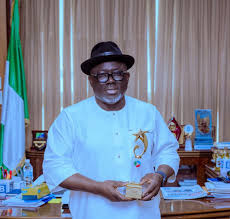
Delta State Governor Sheriff Oborevwori’s participation in a church service has renewed debate over how public officials balance their personal religious commitments with the demands and expectations of public office.
Oborevwori and his wife, Deaconess Tobore Oborevwori, were seen ushering worshippers and taking part in the service at Living Faith Church, popularly known as Winners Chapel, in Osubi, Delta State, on Sunday, October 4, 2026. A video of the activity was shared online by the governor’s media aide, Ossai Ovie Success.
The footage quickly drew attention on social media, with some Nigerians questioning the public value of the governor taking part in church duties while holding elected office. Others raised broader questions about whether religious appearances by politicians should be viewed as private expressions of faith or through the lens of their responsibilities as public officials.
The controversy is not entirely new. Oborevwori has previously been seen participating in church activities, including ushering and offering collection at Living Faith Church. Reports from 2025 also documented his participation in the church’s Shiloh programme, where his role attracted both criticism and support online.
The latest episode has therefore shifted attention from the church activity itself to the expectations placed on elected leaders. For critics, the concern is whether such public displays of humility should be accompanied by visible results in governance, while supporters have argued that holding political office does not prevent a person from practising his faith.
The governor has also previously spoken publicly about service and responsibility in public office. In a June 2023 address at a Living Faith Church service in Delta, shortly after assuming office, Oborevwori said he intended to serve Deltans with humility and urged continued prayers for his administration.
For now, the Osubi video remains a social-media story, but the reaction highlights a wider issue in Nigerian public life: how citizens interpret the religious activities of politicians and whether those activities are assessed separately from, or alongside, the officials’ record in office.