The Senate has challenged petroleum sector regulators to ensure that ongoing reforms deliver tangible benefits to Nigerians, particularly households and businesses struggling with rising fuel costs and transportation expenses. The lawmakers say regulatory decisions must support economic recovery rather than add to the hardship facing citizens.
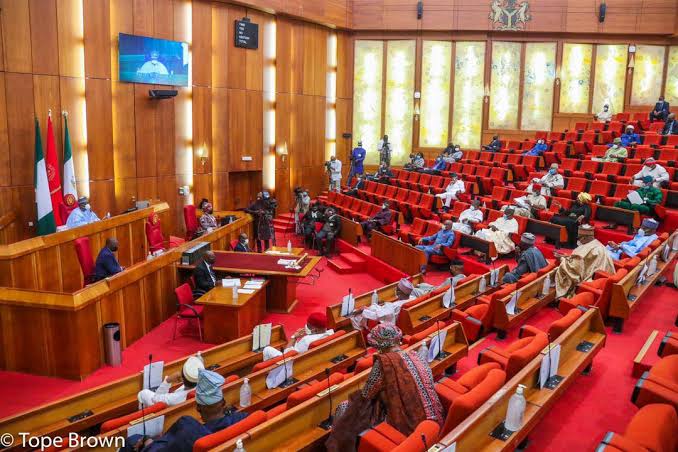
The warning came on Thursday during the screening of nominees for executive director positions in Nigeria’s midstream and downstream petroleum sector. The Chairman of the Senate Committee on Petroleum Downstream said regulators must move beyond enforcing rules and adopt policies that respond to the economic realities of ordinary Nigerians.
He acknowledged that President Bola Tinubu’s petroleum reforms are intended to strengthen the industry, improve economic performance and promote long-term energy sustainability. However, he noted that higher petroleum product prices have contributed to increased transportation costs and the rising prices of food and other essential goods.
The committee chairman urged the nominees to develop practical and sustainable measures to reduce the impact of the reforms on consumers. He maintained that regulation should not become a source of additional hardship, but should be transparent, progressive and responsive to public needs.
He also warned that administrative delays, poor performance and the failure of some government agencies to implement approved policies could frustrate the objectives of the reforms. The Senate said it would not overlook alleged administrative sabotage, inefficiency or a lack of transparency within regulatory institutions.
The nominees were consequently urged to demonstrate professionalism, accountability and commitment to public service if confirmed. The committee said their responsibilities would extend to strengthening regulatory oversight, protecting consumers, encouraging fair competition and creating conditions that attract investment into the midstream and downstream sectors.
The Senate further warned that officials found deliberately undermining government policies or weakening public institutions could face action. It said the performance of the regulatory agencies would have wider implications for Nigeria’s energy security, investment climate and economic development, making it essential that the reforms translate into improvements that Nigerians can feel.