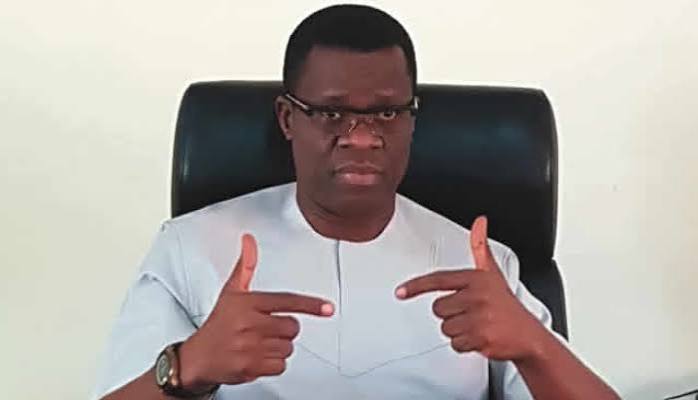
Former Independent National Electoral Commission Resident Electoral Commissioner, Mike Igini, has called on the United States Government to impose targeted sanctions on Nigerian electoral officials found responsible for manipulating election results and undermining the democratic process.
Igini wants US President Donald Trump’s administration to consider visa restrictions and asset freezes against individuals whose involvement in electoral fraud has been established through credible evidence. He believes such measures could reinforce accountability within Nigeria’s electoral system.
The former commissioner said the proposed action should focus on officials involved in deliberate alteration of results, falsification of electoral records and other serious violations of election laws. He stressed that those responsible should face individual consequences rather than allowing electoral misconduct to go unpunished.
Igini argued that restrictions on international travel and access to financial assets could serve as a deterrent to officials who may be tempted to compromise the integrity of elections. He maintained that the possibility of facing consequences beyond Nigeria could discourage electoral malpractice.
In his statement, the former INEC official said sanctions should be based on credible evidence and applied where legally justified. He specifically called for targeted financial measures, including asset freezes, against individuals found culpable of serious electoral offences.
The appeal comes amid continuing concerns about the credibility, transparency and accountability of Nigeria’s electoral process. Igini’s position places international pressure among the measures he believes could help discourage the manipulation of election outcomes.
However, his proposal is directed at individuals whose wrongdoing can be established, rather than electoral officials as a group. Any action by the United States would depend on its applicable laws, evidence and due process, while responsibility for strengthening Nigeria’s electoral institutions remains a domestic concern.