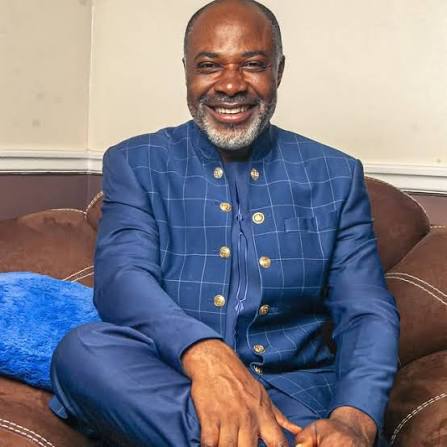
As political activities gradually gather momentum ahead of the 2027 general elections, a Jos-based cleric, Prophet Ezenwa George Ritabbi, has raised concerns over a possible breakdown of democratic order following the polls. The founder of Christ As of Old Ministry of All Nations made the prediction during a Sunday church service, warning that political disagreements could escalate into violence and potentially create conditions for military intervention.
In a video circulating on social media, Ritabbi predicted that President Bola Tinubu would emerge victorious in the 2027 presidential election, while opposition figure Peter Obi would challenge the outcome in court. He further suggested that political disagreements involving Obi and Rabiu Kwankwaso could trigger unrest, eventually leading to military intervention.
The cleric also warned that such a development could deepen existing divisions in the country, with Nigeria potentially breaking into three regions under a military administration. However, the predictions represent his personal religious claims and have not been supported by any verifiable evidence of an impending political or military crisis.
His comments come against the backdrop of Nigeria’s history of military intervention in governance, particularly the long periods of military rule before the return to civilian democracy in 1999. Since then, the country has maintained an uninterrupted democratic system, with elections and constitutional processes serving as the established means of political transition.
With the next general elections approaching in 2027, political parties and prominent politicians are already positioning themselves for the contest. The electoral process is expected to attract significant public attention, particularly amid existing concerns about insecurity, economic pressures and confidence in democratic institutions.
Ritabbi’s prediction has also drawn attention to the sensitivity surrounding electoral outcomes and the potential consequences of disputes after the polls. Under Nigeria’s constitutional framework, disagreements over election results are expected to be addressed through established judicial processes rather than force or unconstitutional changes of government.
While the cleric’s forecast remains unverified, the broader question of protecting democratic stability will remain important as the 2027 elections approach. The responsibility for maintaining peace rests with political leaders, electoral institutions, security agencies and citizens, who are expected to respect the rule of law and constitutional order.