The safety of political movements across Nigeria has come under renewed attention after the Benue State Police Command announced the arrest of 46 persons linked to the obstruction of the convoy of the Nigeria Democratic Congress presidential candidate, Peter Obi. The incident occurred on Tuesday, September 8, 2026, during Obi’s visit to Benue State, where he was scheduled to meet families affected by recent killings in Yelwata.
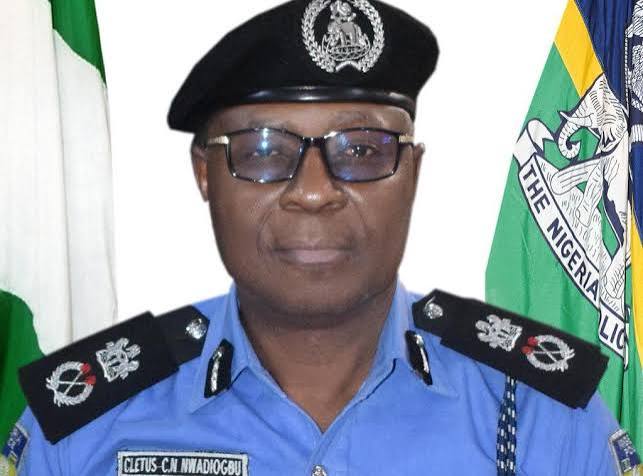
The Commissioner of Police in Benue State, Cletus Nwadiogbu, said the arrests followed an intelligence-led operation launched after the convoy was blocked. According to the police, officers deployed for the visit adopted a tactical approach to prevent the situation from escalating into violence, allowing Obi and members of his entourage to leave the area safely.
The police commissioner explained that the decision by security personnel to manage the situation without immediate confrontation was aimed at protecting lives and preventing possible damage to property. He said the action should not be interpreted as a failure to respond, noting that the former Anambra governor was later escorted to the airport and departed the state peacefully.
The development has raised concerns among political groups and civil society organisations over the security of public figures during political activities ahead of the 2027 general elections. The Allied People’s Movement presidential candidate’s team condemned the incident, describing any attempt to restrict a candidate’s movement through force as unacceptable in a democratic environment.
A faction of the All Progressives Congress in Benue State also criticised the incident, saying it did not reflect the values of the people of the state. The group called for accountability and urged authorities to ensure that those responsible are identified, while stressing that political differences should not result in threats to personal safety.
The Kwankwaso National Network and the Socio-Economic Rights and Accountability Project have also called for further investigation. SERAP urged the Inspector-General of Police to ensure an independent and transparent probe to determine whether any individuals, political actors, or public officials were involved in organising or supporting the action, while the Kwankwaso group warned against allowing threats to political actors to go unchecked.
Amnesty International Nigeria has equally demanded an impartial investigation, warning that intimidation or violence against political figures could weaken public confidence in democratic participation. As security agencies continue their investigation, the incident has placed renewed emphasis on the need for effective protection of candidates, supporters, journalists, and citizens exercising their rights during political activities.