The recent incident at the Alue-Do Festival in Oramudu Quarters, Ozoro, Delta State, has shifted focus to public safety at cultural events, with authorities and community leaders now under pressure to strengthen protections for participants, especially women.
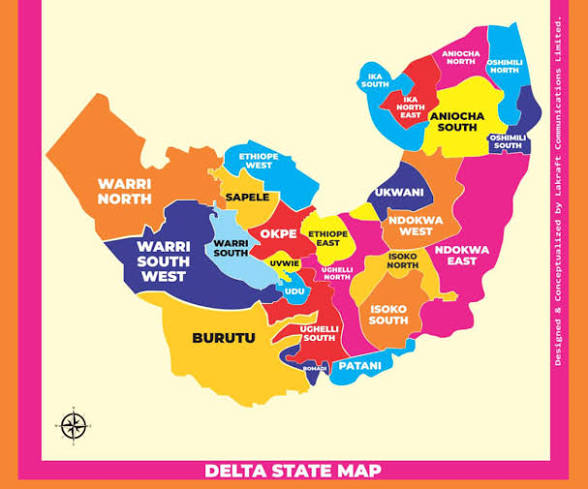
The Delta State Police Command confirmed the arrest of 11 additional suspects in connection with the harassment and molestation reported during the festival, bringing the total number of those in custody to 15. The arrests followed public outrage and viral accounts alleging abuse during the event held in Isoko North Local Government Area.
Police spokesperson Bright Edafe said preliminary investigations indicate that criminal elements exploited the festive atmosphere to carry out acts of harassment, distancing the actions from the cultural significance of the celebration. According to the police, operatives reviewed video evidence and intelligence to identify and apprehend those involved.
The incident, which gained traction on social media, initially sparked fears of widespread sexual violence, with some posts describing the gathering as unsafe for women. These reports triggered nationwide concern and renewed scrutiny of how large public gatherings are managed and secured.
While the leadership of Ozoro Kingdom has denied reports of rape, it acknowledged that some youths misapplied aspects of the festival’s traditional practices, resulting in the harassment of two women. Community leaders say the festival, historically regarded as a fertility rite, was distorted by irresponsible behaviour that does not reflect its original intent.
The Delta State Government has also weighed in, condemning the incident and warning that no cultural event should serve as a cover for criminal acts. Officials are calling on security agencies to ensure all perpetrators are brought to justice, while urging organisers to put in place safeguards to prevent similar occurrences.
As investigations continue, authorities are appealing to victims and witnesses to come forward, assuring confidentiality. The incident has now become a broader test of how communities, law enforcement, and government institutions can work together to guarantee safety at public and cultural events going forward.