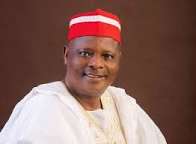
The resignation of former Kano State governor, Rabiu Musa Kwankwaso, from the New Nigeria People’s Party is triggering fresh reactions among supporters and political stakeholders, particularly in northern Nigeria where his influence remains significant.
Kwankwaso, who announced his departure on Sunday, said the decision was driven by the need to reposition politically in response to shifting national dynamics. According to him, aligning with a different platform has become necessary to pursue broader reforms and national development goals ahead of the 2027 elections.
Across Kano and neighbouring states, members of the Kwankwasiyya movement widely regarded as a strong grassroots political network are now assessing what the development means for their political future. Observers say the movement played a central role in the NNPP’s performance during the 2023 general elections, making the former governor’s exit a moment of uncertainty for loyalists.
Some party supporters, speaking through informal channels, have expressed mixed reactions, with concerns about continuity and structure within the NNPP, while others see the move as a strategic step that could open new political opportunities. Political watchers note that such transitions often reshape alliances at both local and national levels.
Kwankwaso, who was the NNPP’s presidential candidate in 2023, acknowledged the contributions of party leaders, including National Chairman Ajuji Ahmed, and other stakeholders. He also commended supporters at various levels for their commitment during his time in the party.
Despite stepping away from the NNPP, the former governor indicated that engagement with political allies and supporters would continue, suggesting that consultations are already underway as part of a broader strategy to reposition his political structure.
Analysts say the coming months will be critical, as the direction Kwankwaso takes and how his supporters respond could influence emerging opposition alignments. With no official announcement yet on his next political destination, attention remains focused on how this decision will reshape political conversations ahead of the next election cycle.