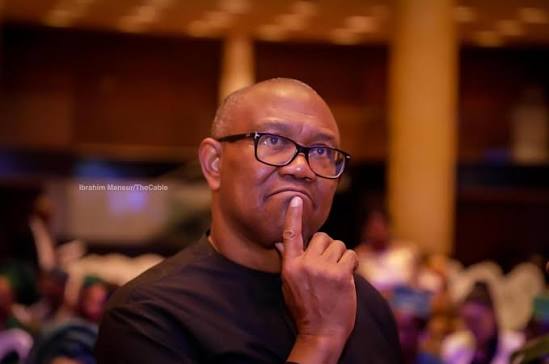
Political conversations across Northern Nigeria are increasingly centring on the future of the country’s power-sharing arrangement following renewed assurances by presidential hopeful, Peter Obi, that he would serve only one term if elected in 2027. The debate intensified after the Nigeria Democratic Congress zoned its presidential ticket to the South, a move many political actors now see as a test of trust, constitutional limits, and regional balancing ahead of the next general election.
Obi’s position, restated in recent political engagements, has been interpreted by many northern stakeholders as an attempt to calm concerns over equitable power rotation. The former Anambra governor said he would spend only four years in office, even “at gun point,” if elected president. His declaration came as talks continue around a possible alliance involving former Kano State governor Rabiu Musa Kwankwaso, who is widely expected to emerge as a key northern figure in the proposed political arrangement.
However, reactions from political leaders, analysts and youth groups across the North show that many remain cautious about relying on verbal commitments without constitutional backing. Several stakeholders pointed to Nigeria’s political history, especially events following the death of former President Umaru Musa Yar’Adua in 2010, as a reason for the region’s continued scepticism toward informal zoning understandings and unwritten political agreements.
Some members of the ruling APC argued that campaign promises cannot override constitutional provisions that allow a sitting president to seek re-election after a first term. APC chieftain Bala Ibrahim said the Constitution remains superior to political declarations, warning that advisers and political interests around any future president could influence decisions once power is secured. Similar concerns were raised by northern youth leaders, who said voters are now paying closer attention to enforceable guarantees rather than political assurances.
Within the Kwankwasiyya movement and other northern political blocs, opinions also appear divided over the proposal. While some supporters see a possible Obi-Kwankwaso alliance as a strategic pathway for the North to regain presidential power in 2031, others fear incumbency could eventually weaken any prior agreement. Political analyst Murtala Abubakar described the one-term promise as an electoral strategy aimed at broadening Obi’s acceptance in the North, insisting that trust issues remain central to the discussion.
Despite the doubts, some northern voices expressed confidence in Obi’s pledge and called for broader conversations around fairness, inclusion and national unity. Dr. Muhammad Hamisu, coordinator of Kwankwasiyya Diaspora in Kano State, said many supporters believe the former governor would honour his commitment if elected. Analysts say the success of the proposal may ultimately depend on whether influential northern political leaders publicly endorse the arrangement and convince voters that it offers a stable framework for Nigeria’s political future.