Fresh concerns over internal democracy within the All Progressives Congress emerged on Saturday as the party’s House of Representatives primaries produced protests, defections and allegations of manipulation in several states ahead of the 2027 general elections.
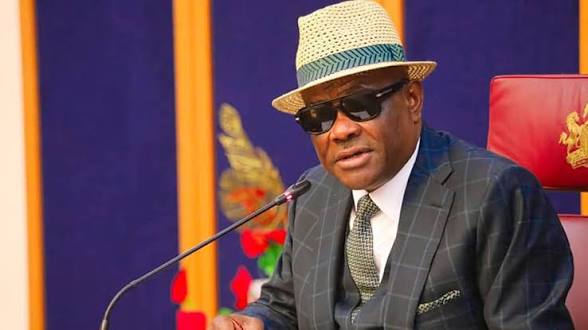
In Rivers State, tensions rose after aspirants believed to be aligned with Governor Siminalayi Fubara were sidelined during the primaries, while politicians associated with the Minister of the Federal Capital Territory, Nyesom Wike, secured major victories. Speaker of the Rivers State House of Assembly, Martin Amaewhule, won the Obio/Akpor Federal Constituency ticket, while several other aspirants linked to Wike’s political camp also emerged candidates.
The exercise in Rivers was conducted under heavy security presence, with police deployed around the APC secretariat in Port Harcourt to prevent possible violence. Although the party adopted direct primaries, some observers alleged that consensus arrangements influenced outcomes in a number of constituencies. Discontent deepened after the earlier disqualification of dozens of House of Assembly aspirants reportedly loyal to Fubara, prompting some party members to resign from the APC.
Elsewhere, the primaries produced sharply different outcomes. In Bayelsa and Edo states, party officials and members described the process as peaceful and orderly. Governor Douye Diri attributed the calm atmosphere in Bayelsa to growing unity within the party, while APC leaders in Edo said the exercise was largely coordinated without major disruptions.
In Delta State, several incumbent lawmakers and political heavyweights secured return tickets during the exercise. Governor Sheriff Oborevwori commended party members for what he called a peaceful conduct of the primaries after voting in Okpe Local Government Area. Among those who emerged were Erhiatake Ibori-Suenu, Francis Waive and Thomas Ereyitomi, while Basil Ganagana defeated long-serving lawmaker Nicholas Mutu in Bomadi/Patani Federal Constituency.
Cross River State, however, witnessed some of the strongest backlash against the process. Aggrieved aspirants described the exercise as a “charade” and accused party officials of announcing results in some areas without electoral materials or voting taking place. Several aspirants warned that unresolved grievances and allegations of imposition could weaken party cohesion and trigger post-primary disputes as preparations intensify for the 2027 elections.