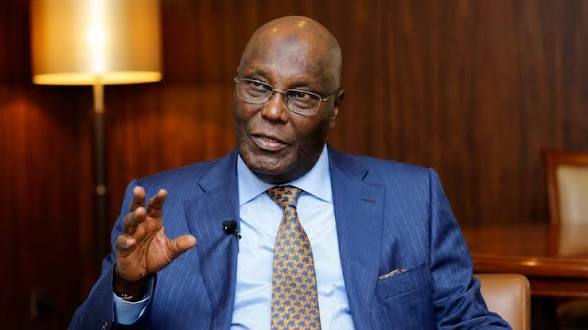
Questions over the effectiveness of Nigeria’s security strategy have resurfaced after presidential candidate of the African Democratic Congress, ADC, Atiku Abubakar called for a comprehensive review of the country’s counterterrorism framework, arguing that existing measures must be reassessed in light of evolving threats.
In a statement issued on Thursday through his media aide, Atiku said the continued spread of terrorism, banditry and kidnapping across different regions of the country points to the need for a fresh evaluation of current policies. He maintained that armed groups have continued to adjust their methods, making it necessary for government institutions to regularly review and strengthen their response mechanisms.
The former Vice President cited recurring attacks on communities and schools as evidence that lessons from previous security crises must be incorporated into future planning. He referenced incidents ranging from the 2014 Chibok abduction to more recent kidnappings involving pupils and teachers, arguing that past experiences should serve as a guide for policy reforms.
As part of his recommendations, Atiku proposed the establishment of a Terrorism Violence Peer Review Mechanism that would bring together community leaders, security agencies and stakeholders from areas affected by insurgency and violent crime. According to him, such a platform would help identify successful interventions, document challenges and provide practical insights for decision-makers.
He also advocated the creation of specialised counterterrorism fusion centres across the six geopolitical zones of the country. The centres, he said, would improve coordination among the military, police, intelligence agencies, immigration authorities, customs officials and community-based security networks by enabling real-time information sharing and analysis.
Beyond security operations, Atiku urged authorities to address underlying factors that contribute to instability, including poverty, unemployment and inadequate development in vulnerable communities. He further called for greater transparency in security spending and proposed support programmes for victims of terrorist attacks, insisting that policy reforms must combine accountability, prevention and community participation to achieve lasting results.