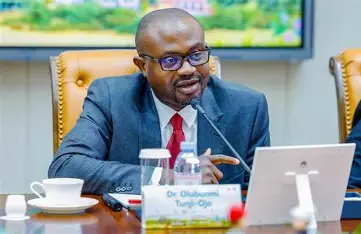
The Federal Government says it is taking steps to address the growing number of children leaving school by proposing the end of the policy that separates Junior Secondary Schools (JSS) from Senior Secondary Schools (SSS). The announcement was made on Tuesday in Abuja by the Minister of Education, Dr. Tunji Alausa, during the inauguration of the Universal Basic Education Commission (UBEC) Ministerial Implementation and Monitoring Committee, as part of efforts to improve access to education across the country.
According to the minister, the decision follows concerns over the increasing number of pupils who fail to transition from primary education to junior secondary school. He said more than 20 million children are lost within that stage of the education system, pointing to a shortage of junior secondary schools nationwide. Alausa noted that Nigeria has about 80,000 public primary schools but only around 15,000 junior secondary schools, a gap he said has placed enormous pressure on available facilities.
The proposed reform, officials say, is intended to remove structural barriers that discourage pupils from continuing their education. Alausa explained that operating junior and senior secondary schools as separate institutions, each with its own administration and facilities, has not delivered the expected results. He argued that maintaining the arrangement has contributed to overcrowded classrooms in many junior secondary schools, while some senior secondary schools remain underutilised, particularly in Kaduna and other northern states.
As part of the process, the Minister said the proposal will be presented at the next meeting of the National Council on Education for consideration. If approved, the policy change is expected to create a more seamless progression for students, improve retention rates and expand access to secondary education for millions of Nigerian children.
The government also announced measures to strengthen oversight of education projects funded through the Universal Basic Education Commission. A committee chaired by Professor Rashid Aderinoye has been inaugurated to monitor the implementation of UBEC-funded smart schools, bilingual schools and alternative schools, ensuring they are completed, handed over to state governments and opened for learning.
Officials say the monitoring exercise is aimed at improving accountability in the education sector. Alausa expressed concern that several schools built with public funds have remained unfinished or are yet to admit students, describing the situation as an inefficient use of government resources. He said the administration’s goal is to ensure education investments translate into functioning schools that provide more Nigerian children with uninterrupted learning opportunities.