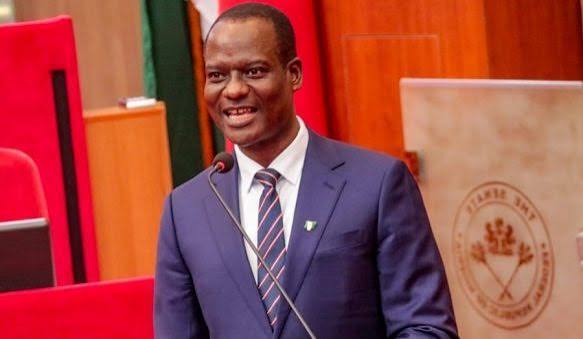
Former President Goodluck Jonathan has highlighted dialogue and mutual trust as critical elements in restoring stability to the Niger Delta, revealing that he once entered a militant camp without armed security while serving as vice president to advance peace efforts in the region. He made the remarks on Monday during the De Mangrove Conversation at the Nigerian Content Development and Monitoring Board Conference Hall in Yenagoa, Bayelsa State.
Speaking at the event organised in partnership with the Bayelsa State Government, the Niger Delta Development Commission, the Nigerian Content Development and Monitoring Board, Renaissance Africa Energy and the Goodluck Jonathan Foundation, Jonathan reflected on his long-standing connection with the oil-producing region. He said his understanding of the Niger Delta was shaped by childhood experiences, scientific research on environmental issues, and later by his responsibilities in public office.
Jonathan explained that one of the most significant moments during negotiations with militant groups came when he accepted a request to visit a camp without armed escorts. According to him, the militants had warned that the presence of weapons could trigger violence, prompting him to direct members of his security detail to surrender their firearms before proceeding with the meeting.
He said the decision, despite objections from security officials in Delta State, was intended to demonstrate sincerity and encourage confidence among the militants. Jonathan noted that the visit created an atmosphere for constructive engagement, which later contributed to the broader peace process and the implementation of the Niger Delta Amnesty Programme.
The former president also stressed that sustaining peace requires more than security interventions. He argued that environmental degradation, underdevelopment and years of neglect in the oil-producing communities must be addressed if stability in the region is to endure. According to him, lasting progress depends on combining dialogue with meaningful development initiatives.
Jonathan’s remarks come as discussions continue on the future of the Niger Delta and strategies for preserving peace in the region. His account underscored the role of direct engagement in conflict resolution while reinforcing his call for governments and stakeholders to prioritise development, environmental restoration and inclusive dialogue as part of long-term peace-building efforts.