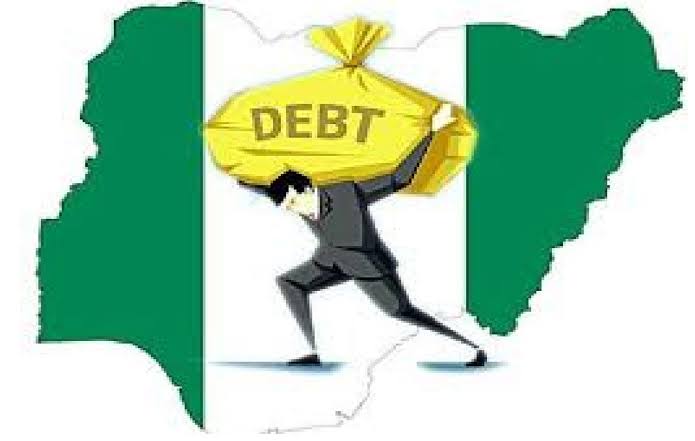
Nigeria’s public debt profile is increasingly tilted towards domestic borrowing, with total obligations reaching N159.35 trillion by March 2026, according to the Debt Management Office. The figure represents a N9.96 trillion increase from the N149.39 trillion recorded a year earlier.
The latest DMO figures show that domestic debt accounted for 54.85 per cent of the total stock in March, up from 52.72 per cent in March 2025. Domestic obligations rose by N8.64 trillion over the one-year period to N87.40 trillion, making them the main driver of the increase in Nigeria’s overall debt.
The Federal Government remains the largest borrower in the domestic market. Its domestic debt climbed to N82.88 trillion in March, compared with N74.89 trillion a year earlier, while the combined domestic obligations of the 36 states and the Federal Capital Territory also increased to N4.52 trillion.
Much of the recent domestic increase came through Treasury Bills. The outstanding value of the short-term instruments rose by N2.71 trillion between December 2025 and March 2026, reaching N16.57 trillion. Over one year, Treasury Bills increased by more than 30 per cent, according to the DMO data.
The movement in external debt was less pronounced when measured in naira. Nigeria’s foreign debt stood at 51.90 billion dollars in March, only slightly above the 51.86 billion dollars recorded in December. Its naira equivalent, however, fell from N74.43 trillion to N71.95 trillion, partly reflecting the exchange rate used by the DMO to convert foreign obligations.
The DMO figures also show that Nigeria’s total debt increased only marginally in naira terms during the first quarter of 2026, from N159.28 trillion in December to N159.35 trillion in March. In dollar terms, however, the stock rose by about 3.6 per cent over the same period, highlighting the effect of exchange-rate movements on the presentation of the country’s debt position.
The figures come amid renewed debate over the sustainability of government borrowing. The African Democratic Congress has criticised the Federal Government’s borrowing pattern, with its National Publicity Secretary, Bolaji Abdullahi, warning that rising debt and debt-servicing obligations could further restrict resources available for development. The data itself, however, shows a clear shift: as of March 2026, domestic borrowing had become the larger component of Nigeria’s public debt portfolio.