Nigeria’s labour movement is pushing for a fresh review of the national minimum wage, arguing that the N70,000 benchmark is increasingly inadequate for workers facing higher living costs. The demand was made on Friday at the Nigeria Rights of Workers Summit 2026 in Birnin Kebbi, Kebbi State, where stakeholders examined the pressures confronting workers across the country.
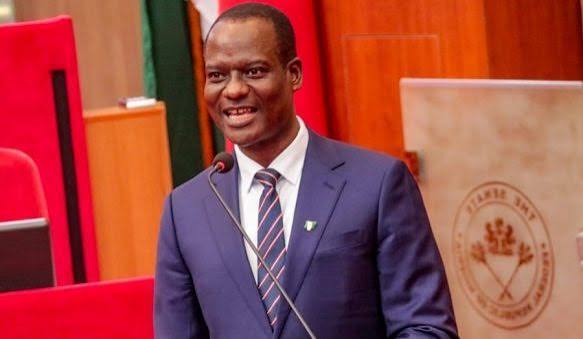
Speaking for the Nigeria Labour Congress President, Joe Ajaero, his deputy, Audu Amba, said the existing wage arrangement no longer reflects prevailing economic conditions. He called for renewed negotiations between labour, the Federal Government and state governments, stressing that any new wage structure must take account of the realities confronting workers and their families.
The summit brought together labour leaders, government representatives, employers, civil society groups, workers and members of the National Industrial Court. Discussions centred on remuneration and broader workplace concerns, including inflation, job insecurity, workplace safety, discrimination and the protection of casual and other non-traditional workers.
Former NLC President, Ayuba Wabba, cautioned that improving workers’ welfare should go beyond increasing salaries. He said decent work must also provide workers with enforceable rights, social protection and meaningful engagement between government, employers and employees, particularly as economic pressures continue to affect household livelihoods.
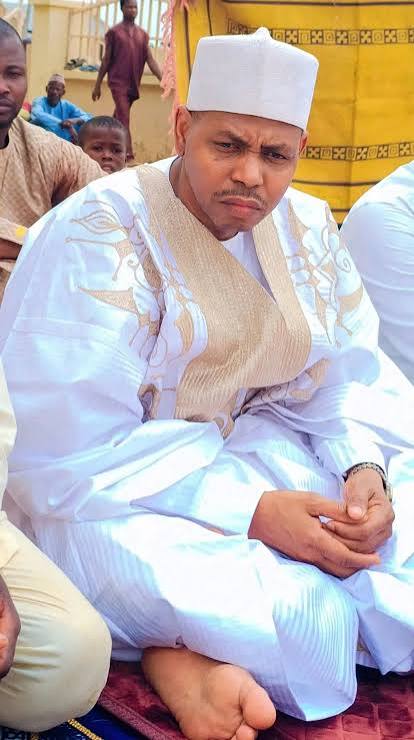
For workers in the states, the implementation of any new national wage agreement will depend largely on the capacity and willingness of individual governments to meet the financial obligations. In Kebbi State, Governor Nasir Idris assured workers that his administration would implement whatever new minimum wage is agreed at the national level.
Governor Idris also said he would use his position within the Nigeria Governors’ Forum to advocate improved remuneration for workers. The assurance comes as labour leaders press for a wage structure that can better respond to the cost of basic goods and services and provide workers with greater financial security.
The summit convener, Ekpa Stanley, said the gathering was intended to examine both the achievements and unresolved challenges of Nigeria’s 88-year trade union history. The discussions have therefore shifted attention beyond the figure attached to the minimum wage to a wider question: how government, employers and labour can create conditions that give Nigerian workers decent pay, job security, social protection and dignity at work.