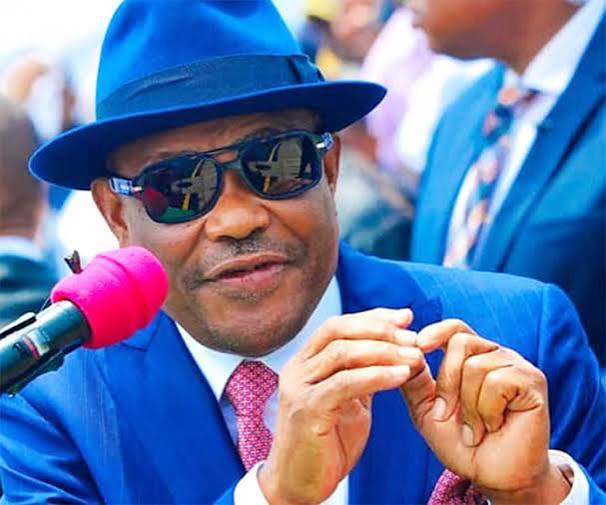
Political alignments within Nigeria’s ruling party and opposition circles have come under fresh scrutiny following disagreements over the role of the Minister of the Federal Capital Territory, Nyesom Wike, in preparations ahead of the 2027 general elections.
The development follows a statement by the Chairman of the Progressive Governors’ Forum and Imo State Governor, Hope Uzodimma, who said APC governors would not support any political arrangement that could affect the party’s candidates or weaken its structure ahead of the elections.
Uzodimma’s comments came after Wike continued to promote what he described as a Rainbow Coalition, a platform he said was focused on supporting President Bola Tinubu’s re-election bid while allowing other parties, including the Peoples Democratic Party, to participate in contests for other elective positions.
Wike, through his spokesperson, Lere Olayinka, said his support for President Tinubu should not be interpreted as support for the APC at all levels. He maintained that the coalition was not an APC structure but an effort to mobilise support for the President across political lines.
The disagreement has created a broader conversation among political actors about party loyalty, electoral strategy, and the relationship between individual political interests and party structures. While some APC figures have raised concerns about possible divisions, Wike’s allies argue that his position reflects the realities of political alliances.
The PDP has also responded to the development, with officials from different factions of the party insisting that Wike’s support for the President does not prevent the party from presenting candidates in the 2027 elections. They maintain that political parties retain the right to compete at various levels of the electoral process.
As political activities gradually take shape ahead of the next election cycle, the positions of key actors such as Wike, APC governors, and opposition leaders are expected to remain subjects of public discussion. The unfolding debate highlights the complex negotiations around alliances, party interests, and electoral planning in Nigeria’s political landscape.