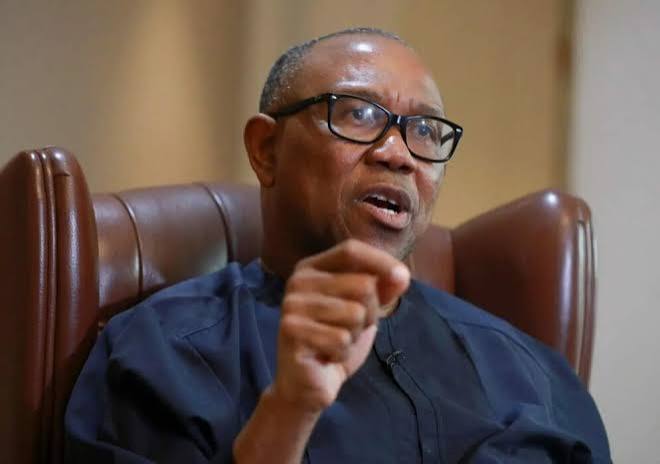
Former Anambra State Governor Peter Obi has shifted attention to transparency in public administration, insisting that public office holders must be judged by how they manage government resources and meet obligations to citizens. Obi made the comments while addressing questions over financial issues linked to his time as governor.
Speaking during an interview on Arise TV on Thursday, the presidential candidate of the Nigeria Democratic Congress said his administration left office without outstanding payments owed to workers, pensioners, or verified contractors who had completed government-approved projects.
Obi explained that during his eight years as governor, he did not secure loans from financial institutions or issue bonds on behalf of Anambra State. He said his administration focused on managing available resources while ensuring that government commitments were fulfilled.
According to him, payments to contractors were based on due process, stressing that obligations only became payable after projects had been completed, inspected, and certified by the appropriate authorities. He argued that incomplete projects could not automatically be classified as government debts.
The former governor’s remarks followed public discussions over claims regarding loans and liabilities associated with his tenure. Obi said he viewed the matter as part of broader conversations about governance rather than a personal disagreement with the current Anambra State Governor, Chukwuma Soludo, whom he described as the leader of his state.
He also used the opportunity to call for a political environment where all presidential candidates can engage with voters without restrictions. Obi said Nigerians should be given the opportunity to assess competing ideas and make their choices based on the issues affecting them.
The former governor further urged political leaders to focus attention on national challenges, including economic hardship and the welfare of citizens. He said accountability, responsible leadership, and issue-based discussions should remain central to Nigeria’s democratic process.