GOVERNOR WILL NOT OWN STATE POLICE, THE LAW WILL — SENATOR FADUYILE
…Says Amotekun Is Foundation, State Police Is The Building
…Warns Operatives Against Becoming Thugs For Politicians
By Steve Ovirih.
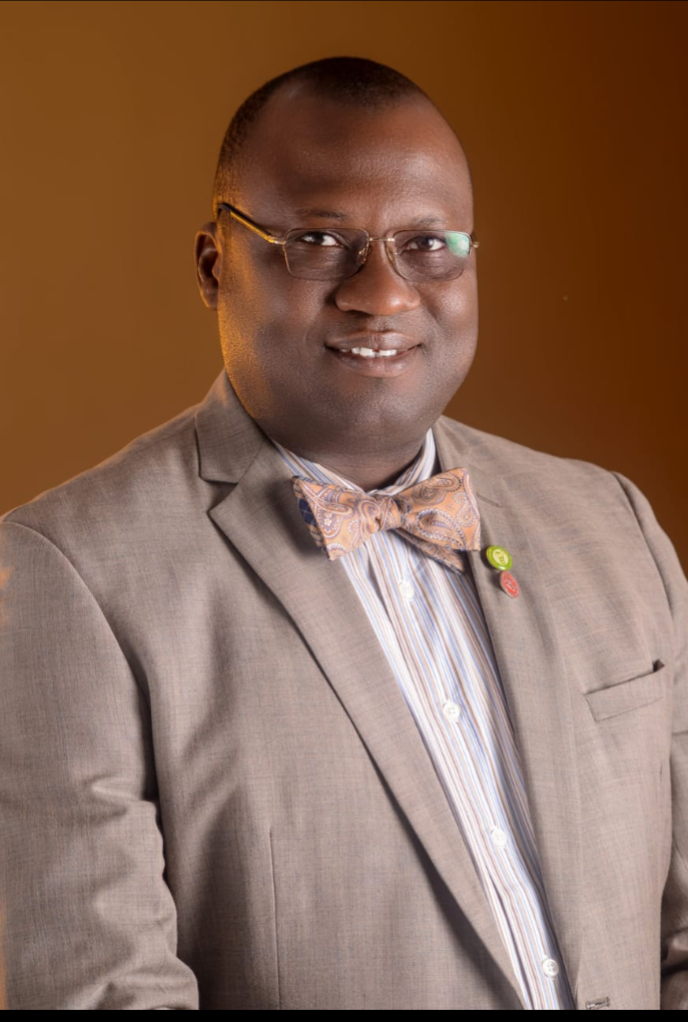
The Senator representing Ondo South Senatorial District, Distinguished Senator Prof. Dayo Faduyile, OON, has said the creation of State Police will not hand over control of the police to Governors, insisting that the law, not the Governor, will own the new policing structure.
Speaking in an interview with thepolity.net on the proposed State Police, Amotekun and Local Government Autonomy, Faduyile said the National Assembly deliberately built strong safeguards into the Bill to prevent abuse by sub-national governments.
Why Nigeria Needs State Police
According to him, the present centralised police structure is too far from the people to be effective.

“One Inspector-General sitting in Abuja cannot effectively police over 200 million Nigerians. Criminals know the bushes, they know the creeks, they know the local language, but the policeman posted from another state does not know these things,” he said.
He explained that State Police means policing by people who know the terrain, speak the language, and can respond quickly when there is distress.
“It is not to replace the Federal Police, but to complement it. The Federal Police will still handle federal offences, interstate crimes and national security, while State Police will handle local crimes, community safety and day-to-day protection of lives and property,” he added.
Checks Against Hijack By Governors
Faduyile described the fear of Governors hijacking State Police as legitimate, but said the National Assembly has addressed it in the Bill.
“That is a very legitimate fear, and the National Assembly is very conscious of it. That is why we did not just create State Police and leave it open,” he said.
He listed the safeguards to include a State Police Service Commission, independent of the Governor, to handle recruitment, promotion and discipline; a clear command structure where operational control is professional, not political; and federal oversight through the National Police Council and the Police Service Commission.
Others, according to him, include a prohibition of the use of State Police for political witch-hunting, election rigging or settling personal scores, with sanctions for abuse, and a joint funding and audit framework so that the Governor alone cannot starve or weaponise it.
“In short, the Governor will not be the owner of the police; the law will be,” he declared.
On Amotekun
On whether Ondo State’s Amotekun Corps will morph into State Police, the Senator said Amotekun has done very well, but remains limited in powers.
“Amotekun has done very well in Ondo State and across the South-West, and we must commend the Governors who birthed that idea. But let us be honest: Amotekun is not a police force. It has no power to prosecute, no full power to investigate serious crimes, and its men are not fully armed like the police,” he said.
He added that when State Police comes, Amotekun will not disappear, noting that experienced operatives who meet the requirements should be absorbed, retrained and properly integrated into the new structure.
“Amotekun is the foundation; State Police will be the building,” he said.
Advice To Operatives
Faduyile also advised future State Police operatives to be professional, neutral and close to the people.
“Do not become thugs for politicians. Do not collect bribe at checkpoints. Respect human rights. You are not there to oppress the people, you are there to protect them,” he warned.
“If the people trust you, they will give you information, and if you have information, you will defeat crime. The uniform is not a licence to intimidate; it is a symbol of service,” he added.
On Local Government Autonomy
Speaking on Local Government Autonomy, Faduyile said the National Assembly has already given legislative backing, and the Supreme Court has also spoken clearly on the matter.
According to him, what is left now is political will for full implementation, direct allocation to local governments, democratically elected chairmen, and accountability at the grassroots.
“Without functional local governments, State Police alone will not work. Security and development must go together, from the ward to the state. That is the Renewed Hope Agenda: to bring governance back to the people,” he said.