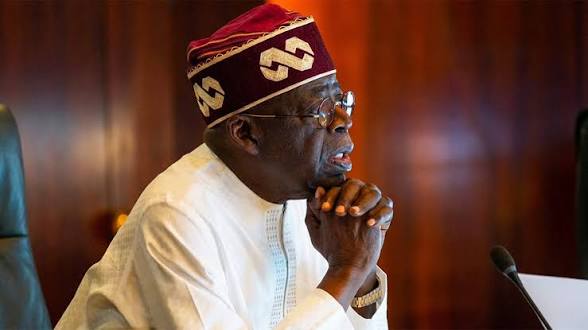
Nigeria’s fiscal direction has come into sharper focus after the Senate approved a request by President Bola Ahmed Tinubu to secure external loans totalling six billion dollars, a move expected to shape the country’s debt profile in the coming years.
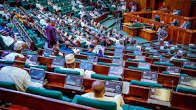
The approval was granted on Tuesday during plenary in Abuja after lawmakers considered a report presented by Senator Aliyu Wamakko, who chairs the Senate Committee on Local and Foreign Debts. The request was conveyed through two separate communications from the presidency.
At the core of the approval is a proposed five-billion-dollar financing arrangement with First Abu Dhabi Bank, structured under a total return swap model. According to the President, the facility will be drawn in phases to support budget execution, infrastructure development, and the refinancing of existing debt obligations.
Government officials say the borrowing is also intended to ease immediate fiscal pressures, particularly as Nigeria continues to manage rising debt servicing costs. As of December 31, 2025, the country’s total public debt stood at over 110 billion dollars, a figure the administration says requires careful restructuring.
In addition to the main facility, the Senate also approved a separate one-billion-dollar export credit arrangement from the United Kingdom, facilitated by Citibank. The funds are earmarked for the rehabilitation of key maritime infrastructure, including the Lagos Port Complex and Tin Can Island Port.
To secure the financing, the President sought and obtained approval for the issuance of naira-denominated government securities as collateral, alongside provisions for meeting margin obligations in U.S. dollars. This framework, authorities say, is designed to make the borrowing more flexible and manageable.
Economic analysts note that while the loans could accelerate infrastructure delivery and support economic activity, they also raise critical questions about long-term debt sustainability and fiscal discipline. The balance between immediate development needs and future repayment obligations is expected to remain a key policy debate.
As implementation begins, attention will turn to how effectively the funds are deployed and whether the investments translate into measurable economic gains, particularly in critical sectors such as transport and public infrastructure.