In a blistering indictment of Nigeria’s counter-insurgency machinery, Borno State Governor Babagana Umara Zulum has unmasked a web of betrayal festering within the nation’s security architecture, political elite, and local communities, accusing insiders of actively sabotaging efforts to end the 14-year terror plague in the North-East.
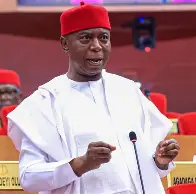
Speaking exclusively during a televised interview on News Central’s Breakfast Central on Wednesday, Zulum—a staunch advocate for pragmatic security reforms—painted a grim portrait of systemic failures, alleging that informants embedded in the armed forces, political circles, and villages persistently aid Boko Haram and Islamic State West Africa Province (ISWAP) militants. His revelations cast a harsh light on the invisible war within Nigeria’s war, where loyalty is fractured, and trust is a scarce commodity.
Zulum’s most explosive claim centers on the alleged presence of collaborators within Nigeria’s military—a revelation that strikes at the heart of the nation’s security credibility. “We have informants within the Nigerian armed forces,” he declared, his tone unflinching. “They must be rooted out ruthlessly.”
This admission amplifies long-whispered suspicions of leaks and compromised operations, where militants seemingly preempt military strikes or vanish ahead of raids. Security analysts have repeatedly pointed to “rogue elements” funneling intelligence to terrorists, but Zulum’s public condemnation marks the first time a sitting governor has directly implicated soldiers in the betrayal.
Beyond the barracks, Zulum implicated politicians and local communities in the crisis, accusing some of leveraging chaos for profit or power. “The political class is not innocent,” he stated, alluding to allegations of illicit deals and deliberate destabilization for electoral gains. Within communities, fear and coercion have turned civilians into reluctant informants, while others allegedly collude willingly, blurring lines between victim and perpetrator.
Zulum did not spare the federal government, lamenting the military’s chronic lack of advanced equipment to combat terrorists who exploit Nigeria’s vast, ungoverned forests. “Our soldiers are not properly equipped,” he said, echoing years of complaints from troops on the frontlines about outdated weaponry, inadequate surveillance tech, and poor logistics.
His critique coincides with a surge in asymmetric attacks, where militants deploy drones, improvised explosives, and motorbike brigades—tools that often outmatch the military’s capabilities.
While nationwide debates rage over state police as a solution to insecurity, Zulum broke ranks, expressing doubts about its viability in the North-East. Instead, he pushed for state-backed forest guards—a localized force trained to secure rural areas and monitor terror corridors. “Our forests have become havens for terrorists. We need specialized units to reclaim these spaces,” he argued.