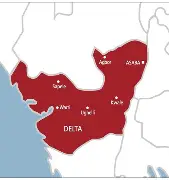
A leadership dispute between the executive and legislative arms of Oshimili North Local Government Council in Delta State has escalated into a governance crisis, raising concerns over the smooth administration of the council. The standoff, which centres on the Council Chairman, Innocent Esewezie, and members of the legislative arm, has disrupted legislative activities and exposed deep divisions among councillors.
The crisis reportedly began after the removal of the former Leader of the House, Jeffrey Mordi, in an impeachment process said to have widened the rift within the council. While one group of councillors recognised the new leadership, others remained loyal to Mordi, insisting he was still the legitimate leader of the legislative arm.
As the disagreement intensified, the legislative chambers allegedly became inaccessible after the roof of the building was removed on the directive of the council chairman. Supporters of the impeached leader were thereafter said to have relocated their sittings to a space beneath a tree within the council premises in an effort to continue legislative proceedings despite the unfolding impasse.
Sources familiar with the matter also alleged that the dispute drew in security personnel and suspected thugs, creating an atmosphere of tension around the council secretariat. During the crisis, Mordi reportedly took custody of the legislative mace, the symbol of the House’s authority, claiming the move was necessary to protect it because the chambers had become exposed and insecure.
The disagreement has also taken a legal and accountability dimension. According to sources, Mordi submitted a petition to the Independent Corrupt Practices and Other Related Offences Commission (ICPC), alleging that the council’s 2025 budget was implemented without the approval of the legislative arm, contrary to legal requirements. The allegations have not been independently verified.
Efforts to obtain official responses from the council chairman and other principal figures involved in the dispute were unsuccessful at the time of filing this report. With both arms of the local government remaining at odds, the unresolved crisis continues to raise questions about institutional stability and the effective delivery of governance at the grassroots level.