Nigeria’s 66th Independence anniversary has opened a fresh debate over the impact of the Federal Government’s economic policies, with the ruling APC highlighting signs of recovery while opposition parties point to the continuing pressure on households and businesses.
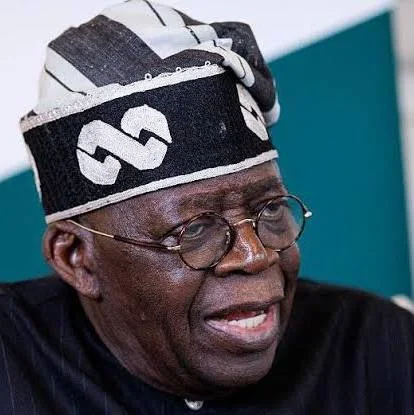
In his October 1 address, President Bola Tinubu defended the direction of his administration, saying the difficult decisions taken since 2023 were necessary to correct longstanding weaknesses and move the country towards greater prosperity. He identified lower production and transportation costs as key to easing pressure on Nigerians.
The APC has backed that position, arguing that the removal of petrol subsidy and changes to the foreign exchange system have helped strengthen public revenue, crude oil production and domestic refining. The party also cited initiatives such as NELFUND, CREDICORP and cash transfers as part of government efforts to cushion the impact on citizens.
Opposition figures, however, have focused on the gap between official claims of economic progress and what they say Nigerians are experiencing in homes and markets. African Democratic Congress presidential candidate Atiku Abubakar questioned whether the government’s assessment reflects the cost of food, transport and other essentials, while also demanding greater transparency over some government spending and relief programmes.
The criticism extends to the broader social impact of government policy. Peter Obi called for major changes in governance, citing poverty, unemployment, education and other social pressures, while the Social Democratic Party said the benefits of democracy must be measured against the economic realities faced by ordinary citizens.
The disagreement comes as President Tinubu maintains that his administration will stay the course rather than return to the previous petrol subsidy arrangement. He says the focus is on cutting production costs, strengthening agriculture, improving infrastructure and connecting businesses to markets.
As Nigeria enters another year of independence, attention is now on whether these measures will translate into lower living costs, more jobs and stronger household purchasing power. Those issues are expected to remain prominent as political parties position themselves ahead of the 2027 elections.