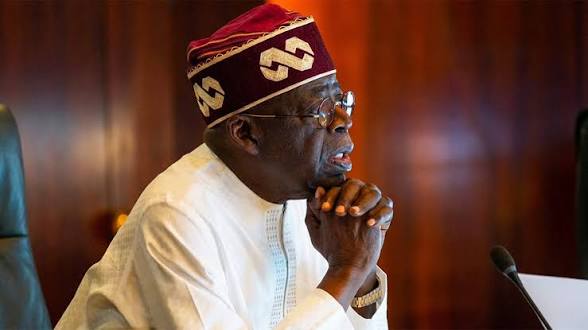
In a stark confrontation echoing through the halls of power, the Arewa Consultative Forum (ACF) has delivered a searing indictment of President Bola Ahmed Tinubu’s administration, accusing it of presiding over the “growing marginalisation” of Northern Nigeria. This powerful declaration, laden with the weight of betrayed expectations, came during a high-stakes dialogue between Northern civil society leaders and senior federal officials held in Kaduna.
Bashir Dalhatu, Chairman of the ACF Board of Trustees, framed the North’s profound disillusionment against the backdrop of its overwhelming electoral contribution. He reminded the gathering that Northern voters were instrumental in President Tinubu’s 2023 victory, furnishing a commanding 64% of his total votes. “Despite this reservoir of support and goodwill,” Dalhatu stated, his words measured yet heavy with implication, “the feeling across the North is, to put it mildly, completely mixed. The reality we witness is one where key infrastructural projects, critical budgetary allocations, significant appointments, and pivotal policy decisions have largely bypassed our region.”
Dalhatu meticulously cataloged areas of perceived abandonment, painting a picture of systemic neglect. The ACF Chairman voiced deep anguish over the unrelenting waves of terrorism, banditry, and kidnappings plaguing Northern communities. He implored President Tinubu to move beyond rhetoric, demanding “strong, audacious, and sustained action” that tackles the malignant root causes festering beneath the violence – rampant youth unemployment and crushing poverty. The implicit message: security failures are a direct consequence of socio-economic neglect.
Dalhatu presented damning evidence of federal disregard for the North’s agricultural backbone. He revealed that the sector received a paltry “less than 5% of the national budget” over the past two years – a figure starkly contrasting the UN Food and Agriculture Organisation’s (FAO) recommended benchmark of 25%. This chronic underfunding, he argued, cripples the region’s primary economic engine and food security. The critique intensified as he highlighted a recent policy disaster: the government’s decision to approve duty-free food imports. This move, intended as a short-term fix for inflation, has instead triggered what Dalhatu described as the “collapse” of local agro-industrial businesses, with Northern rice mills shuttering at an alarming rate, devastating livelihoods and local economies.
The decay extends far beyond farms. Dalhatu pointed to crumbling transport networks, persistent power shortages hindering industry, and dilapidated education and healthcare systems. He singled out the abandonment of nationally strategic projects like the moribund Ajaokuta Steel Plant and the stalled Kolmani River Integrated Development Project (oil exploration and more) as potent symbols of promises broken and potential squandered. These projects, once beacons of hope for industrialization and economic diversification in the North, now stand as monuments to federal indifference.
The ACF’s presentation transcends mere complaint; it is a formal, public reckoning. By invoking the North’s decisive electoral mandate and juxtaposing it with detailed evidence of perceived neglect across security, economic, and developmental fronts, the Forum issues a stark warning to the Tinubu administration. The message is unambiguous: the trust and political capital freely given in 2023 are rapidly depleting. The “mixed feelings” across the vast Northern landscape are hardening into a palpable sense of grievance, demanding not just reassurances, but tangible, transformative action to reverse the trajectory of marginalization. The ball, as framed by the elders of the North, now rests firmly in the President’s court.