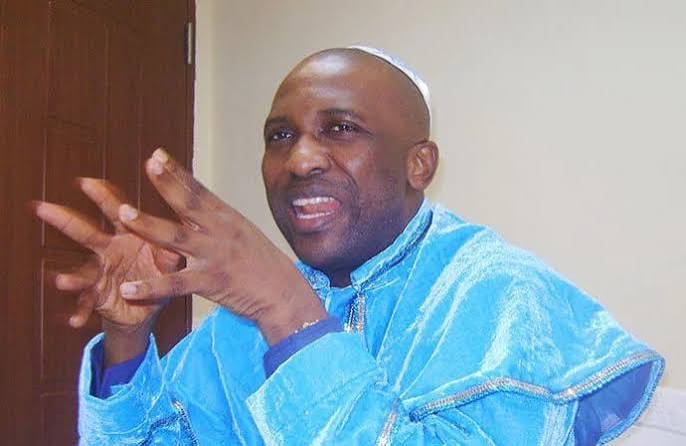
Questions about leadership and decision making featured prominently in Sunday’s public discourse after Primate Elijah Ayodele urged President Bola Tinubu to become more receptive to advice, expressing concern over what he described as the President’s approach to counsel from those around him.
Addressing members of his congregation, the cleric claimed that the President was no longer responding positively to genuine guidance. He attributed this to what he described as a spiritual influence affecting the President’s judgment, although he did not provide evidence to support the claim.
Primate Ayodele also expressed concern about the composition of the President’s inner circle, alleging that individuals capable of offering sincere advice were being sidelined. According to him, the situation could limit the administration’s ability to make decisions that reflect the country’s best interests.
The cleric warned that rejecting constructive criticism or expert counsel could have political consequences in the future. He maintained that leaders benefit from listening to diverse opinions, particularly during periods when the nation is confronting significant economic and security challenges.
His remarks add to broader conversations about the role of advisers in government and the importance of informed decision-making at the highest levels of leadership. Political observers have long argued that effective governance depends on institutions and advisers capable of providing objective and independent recommendations.
The comments also reflect the growing trend of religious leaders weighing in on national affairs, particularly on issues relating to governance, public policy and leadership. Such interventions often generate public debate, although the views expressed remain those of the individuals making them and do not constitute verified facts.
As of the time of the remarks, there was no immediate response from the Presidency to the cleric’s claims. Nevertheless, the comments have contributed to ongoing national discussions about leadership, accountability and the importance of ensuring that decision-makers remain open to constructive advice in addressing the country’s pressing challenges.