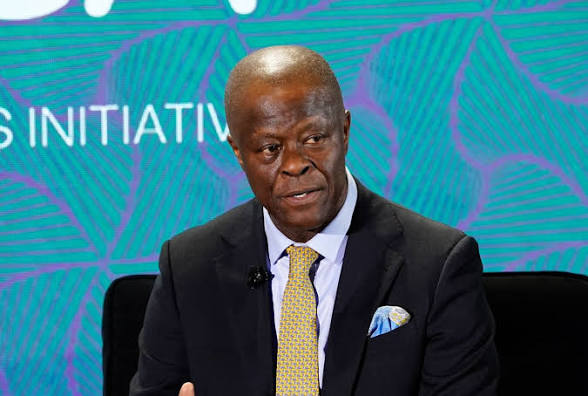
The sudden removal of Nigeria’s Minister of Finance has ignited calls for greater accountability in government decision making, as political voices demand clarity on why the change was made. The development, which unfolded earlier this week in Abuja, has shifted attention from the reshuffle itself to concerns about transparency in public financial management.
A chieftain of the African Democratic Congress, Dino Melaye, is among those questioning the decision by Bola Tinubu to relieve Wale Edun of his duties and appoint Taiwo Oyedele as his replacement. The presidency announced the change on Tuesday but did not provide an official explanation for the move.
Melaye, reacting via social media, argued that in established democracies, the removal of a key cabinet member particularly one overseeing national finances should be accompanied by clear reasons. According to him, public confidence depends on openness, especially when decisions affect economic direction and fiscal policy.
The lawmaker also linked the development to wider concerns about Nigeria’s revenue management, referencing ongoing debates around public funds. While no official connection has been confirmed, his comments reflect a growing demand among political actors and citizens for more detailed communication from government institutions.
The finance ministry plays a central role in shaping economic policy, managing public debt, and overseeing revenue allocation. Analysts say any abrupt leadership change in such a critical office raises questions about continuity, policy direction, and investor confidence, particularly at a time of economic pressure.
So far, authorities have not issued further clarification on the reasons behind the reshuffle. As the new minister assumes office, observers say how the administration communicates and manages the transition could influence public trust and perceptions of accountability in governance.