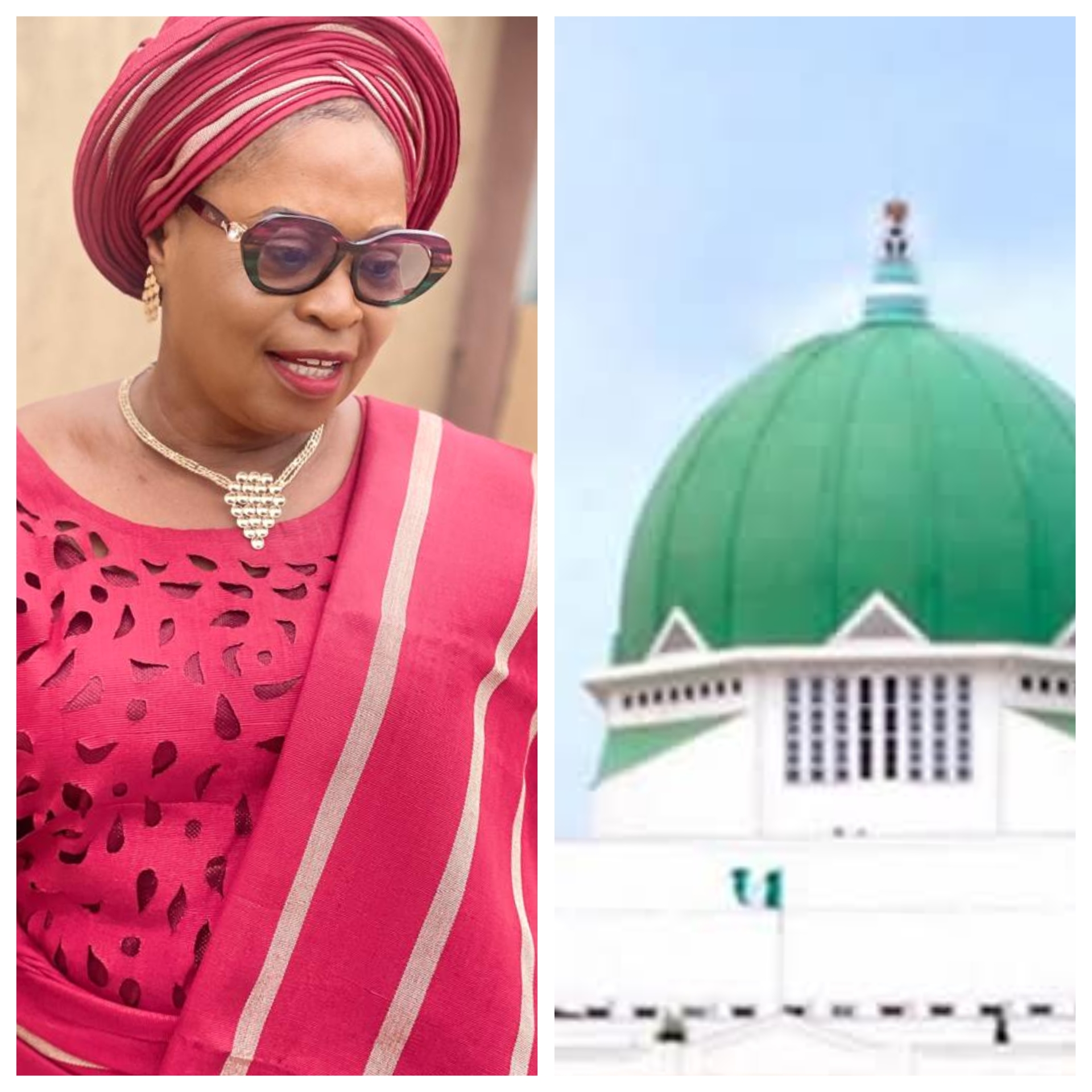
Owo/Ose: Breaking the Jinx of Women’s Underrepresentation in Politics
In Nigeria, where women constitute a significant share of the population, their voices have remained largely muted in the nation’s political sphere since the early days of independence. From the First Republic to the present democratic dispensation, the imbalance in the distribution of political offices has continued to sideline women, despite their visible and energetic participation during elections.
Across communities, women are often at the forefront of political mobilisation singing, dancing, campaigning, and voting en masse. Yet, when the dust of elections settles and positions are allocated, they are frequently relegated to the margins, handed only a token presence while their male counterparts dominate the political landscape.
This pattern is not alien to Ondo State. Since 1999, when Nigeria returned to democratic rule, the story has remained largely unchanged across its senatorial districts. In Owo/Ose Federal Constituency, the narrative is even more striking: no woman has represented the constituency at the National Assembly in over two decades.
Political observers note that while male representatives have had their opportunities to deliver, the time has come to test a different perspective. As the popular saying goes, “what a man can do, a woman can do better.” For many, this is more than a cliché it is a call to action.
As the next electoral cycle approaches, the question resonates across the constituency: are the people, particularly women, ready to take the bull by the horns and demand equitable representation?
Among the aspirants seeking to rewrite this narrative is Pastor (Hon.) Grace Abebi Adenisehun, a seasoned grassroots politician whose name has steadily gained recognition across Owo and Ose communities. Known for her resilience and long-standing involvement in local politics, Adenisehun represents what supporters describe as a blend of experience, compassion, and tested leadership.
Her track record, they argue, goes beyond political rhetoric. Through initiatives such as the Gracegreg Compassion Home, she has supported students across different educational levels from university sponsorships to technical training and secondary education efforts aimed at fostering self-reliance and long-term community development.
For Adenisehun, the push for office is not just about representation but advocacy creating space for women’s voices, championing policies that strengthen families, and addressing poverty at the grassroots.
Having traversed both Owo and Ose extensively, she is said to possess a deep understanding of the constituency’s challenges and opportunities. Supporters believe this familiarity positions her to deliver practical solutions and drive meaningful development.
Yet, beyond individual ambition lies a broader message one that speaks to unity and collective progress.
The people of Owo/Ose, stakeholders insist, must rise above divisions. They must eschew sentiment, bury differences, and rally around competence and vision. The goal is clear: to build a constituency that stands tall, not just within Nigeria, but on the global stage.
At this critical moment, the call is unmistakable: we can’t settle for less. The time is now. Our voices must be heard.
For many, breaking the jinx of women’s underrepresentation is not merely a political objective it is a necessary step toward fairness, inclusion, and sustainable development in Owo/Ose Federal Constituency.

