The debate over how to bring down petrol prices is taking a sharper political turn, with President Bola Tinubu’s media team and former Vice-President Atiku Abubakar exchanging criticisms over the proposed role of government in the fuel market.
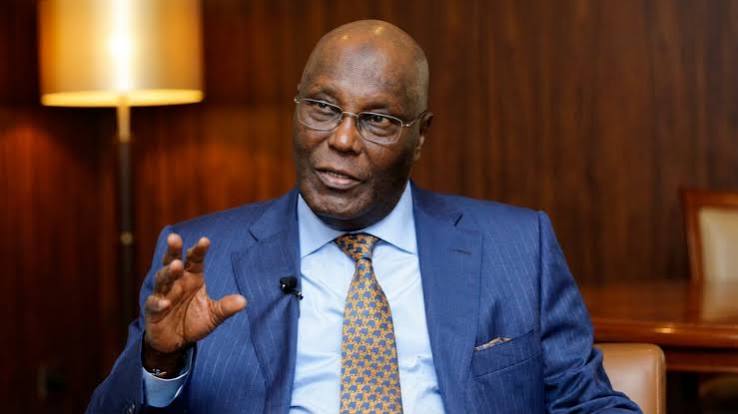
Atiku, speaking at a press conference in Abuja on Friday, called on the Federal Government to consider intervention that would make petrol cheaper for Nigerians. He said the administration could adopt the proposal under another name and take the credit, arguing that the priority should be reducing the financial pressure on consumers.
The former Vice-President’s position has drawn a strong response from the presidency. Special Adviser to the President on Media and Public Communication, Sunday Dare, criticised Atiku’s comments and questioned his standing to advise the administration on economic management.
Dare also rejected Atiku’s description of the proposed intervention, portraying it as a political move linked to the former Vice-President’s ambition for the 2027 presidency. He defended the Tinubu administration’s economic programme, saying the government is undertaking structural reforms intended to address problems that have persisted in the economy for years.
The disagreement has also extended to the language used in the political exchange. Dare objected to Atiku’s repeated reference to the President as “Bola”, while Minister of Aviation and Aerospace Development, Festus Keyamo, had similarly described the reference as disrespectful and discourteous.
Atiku’s proposal comes amid continuing public concern over the cost of petrol and its wider effect on household and business expenses. His intervention argument therefore places the question of fuel affordability alongside the administration’s broader economic reform approach, creating a clear difference in how both political camps say the pressure should be addressed.
With Atiku emerging as the presidential candidate of the African Democratic Congress and Tinubu expected to seek another term on the platform of the All Progressives Congress, the dispute over petrol pricing is likely to remain part of the wider political conversation ahead of the 2027 election. For Nigerians, however, the central issue remains whether proposed policies can translate into lower fuel costs and reduced economic pressure.