The debate over transparency in Nigeria’s public finances has intensified following a disagreement between the All Progressives Congress (APC) and the media office of former Vice President Atiku Abubakar over the N12.8 trillion Service Wide Vote contained in the 2026 Appropriation Act. The exchange has brought renewed attention to how contingency funds are allocated and monitored within the federal budget.
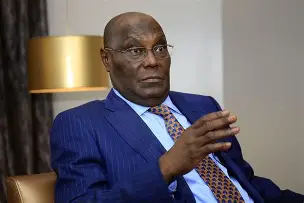
The controversy began after Atiku, the African Democratic Congress presidential candidate, called on the National Assembly to conduct a detailed review of allocations under the Service Wide Vote, including the N2.19 trillion earmarked for personnel. Through a statement issued by his Senior Special Assistant on Public Communications, Phrank Shaibu, he urged lawmakers to demand full disclosure of the beneficiaries, legal basis and spending framework for the allocation.
Responding on Wednesday, the APC rejected Atiku’s position, describing his concerns as unfounded and arguing that the Service Wide Vote is a recognised public finance mechanism used to meet government-wide obligations and unforeseen expenditures. In a statement signed by its National Publicity Secretary, Felix Morka, the party maintained that the budgetary provision should not be interpreted as a secret or unlawful fund.
The ruling party also defended the fiscal record of the Tinubu administration, pointing to programmes such as the Nigerian Education Loan Fund, the implementation of the new national minimum wage, the Consumer Credit Scheme, the Presidential Compressed Natural Gas Initiative, and investments in infrastructure, healthcare and agriculture as evidence of responsible management of public resources.
However, Atiku’s media office insisted that the central issue remained unanswered. In a statement signed by Strategic Media Associate Olusola Sanni, it challenged the Federal Government to explain the increase in the Service Wide Vote from N638.34 billion in 2024 to more than N12.8 trillion in the 2026 budget, while calling for greater public disclosure on the proposed expenditure.
The exchange highlights broader questions about fiscal accountability and public confidence in government spending. While the APC argues that the allocation follows established budgeting practices, Atiku’s camp maintains that the scale of the increase warrants closer legislative scrutiny and public explanation.
With both sides holding firmly to their positions, attention is now likely to shift to the National Assembly, where lawmakers are expected to play a central oversight role. The outcome of any parliamentary review could shape public understanding of the Service Wide Vote and reinforce the importance of transparency in the management of public funds.