As the National Assembly prepares for a crucial vote on the creation of state police, lawmakers are increasingly framing the proposal as a response to growing security concerns and the need for faster protection of communities across Nigeria.
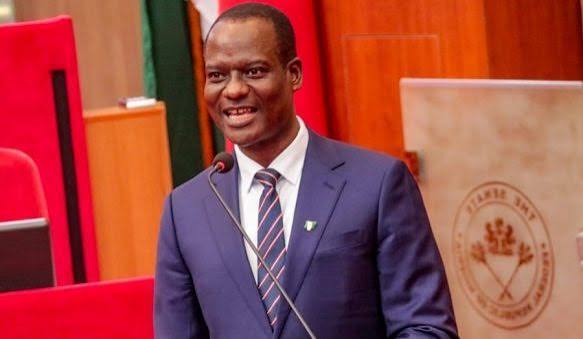
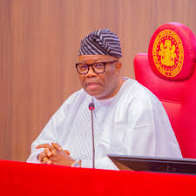
Speaking during an emergency Senate session in Abuja on Tuesday, Senate President Godswill Akpabio urged all senators to attend Wednesday’s plenary, where the proposed constitutional amendment will be debated and voted on. According to him, the measure could significantly reshape how security threats are addressed, particularly at the grassroots level where communities often face the first impact of crime and violence.
Akpabio said the proposed framework seeks to bring policing closer to the people by allowing states to establish their own police services under constitutional safeguards. He explained that local participation from traditional institutions, youth groups, village leaders and local government authorities could strengthen intelligence gathering and improve the speed of responses to security incidents.
The Senate President argued that residents are often more familiar with suspicious activities and criminal networks operating within their communities than distant authorities. He noted that decentralising policing could help security agencies obtain timely information and intervene before threats escalate into larger security challenges.
To advance the process, Akpabio directed the Senate Committee on Constitution Review to submit its report on the bill on Wednesday. He described the amendment as a significant moment in Nigeria’s security conversation, noting that efforts to decentralise policing have remained a subject of national debate since independence.
Also addressing lawmakers, Senate Leader Opeyemi Bamidele stressed the importance of full attendance during the session, explaining that constitutional amendments require the support of at least two-thirds of senators. The Senate subsequently adjourned until 11:00 a.m. on Wednesday, June 24, when members are expected to take a decision that could influence the future structure of policing and public safety across the country.