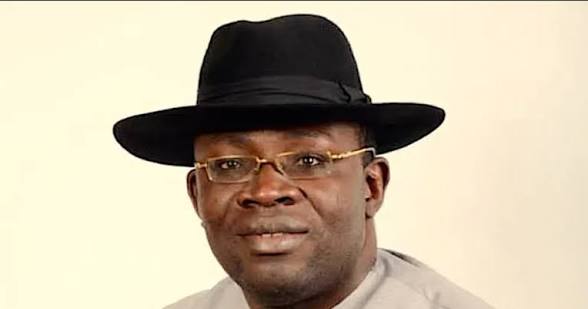
As political parties intensify preparations for the 2027 general election, Senator Seriake Dickson has highlighted what he describes as the importance of transparent and accessible candidate selection processes, insisting that political platforms should be recognised for opening their doors to aspirants without financial barriers.
Speaking during a television interview on Wednesday, the senator addressed questions surrounding the Nigeria Democratic Congress (NDC) and its decision to adopt Peter Obi as its sole presidential candidate. Dickson said the party offered its platform without requiring financial payments from either Obi or his running mate, presenting the move as an example of internal political decisions driven by consensus rather than monetary considerations.
The former Bayelsa State governor argued that discussions about the future of political parties should focus on institution-building and democratic participation rather than personality-driven narratives. According to him, the NDC’s leadership took a deliberate decision to provide a platform for Obi as part of broader efforts to strengthen opposition politics ahead of the next election cycle.
Dickson also used the opportunity to dismiss suggestions of internal divisions within the party. He said Obi remains an active and respected member of the NDC and maintained that collaboration between the party leadership and its presidential candidate has continued without disruption. He attributed reports of tension largely to the actions of some supporters whose comments, he said, have created unnecessary controversy around the party.
On his own political ambitions, Dickson stated that he possessed the credentials to seek the nation’s highest office but chose not to pursue a presidential bid. He said the decision reflected personal judgment rather than a lack of qualification, adding that several politicians had approached the NDC before Obi eventually joined the platform.
The senator’s remarks come at a time when political parties are positioning themselves for the 2027 elections, with increasing attention on party structures, candidate emergence processes and coalition-building efforts. Analysts say debates over how candidates are selected and how parties manage internal relationships are likely to remain central issues as the political landscape continues to evolve in the months ahead.