Health authorities in Borno State are facing mounting pressure to contain a cholera outbreak that has claimed at least 37 lives and infected more than 3,000 people across several communities, according to officials. The crisis, which has spread through seven local government areas including Maiduguri, has renewed attention on the speed and scale of public health interventions needed to curb further transmission.
The outbreak was first reported on May 1 and officially confirmed on May 4, according to the Executive Secretary of the Borno State Contributory Healthcare Management Agency, Dr. Saleh Abba Kaza. In an advisory issued over the weekend, he said the disease has affected 36 wards and more than 138 communities, with over 100 new cases recorded within the last 24 hours.
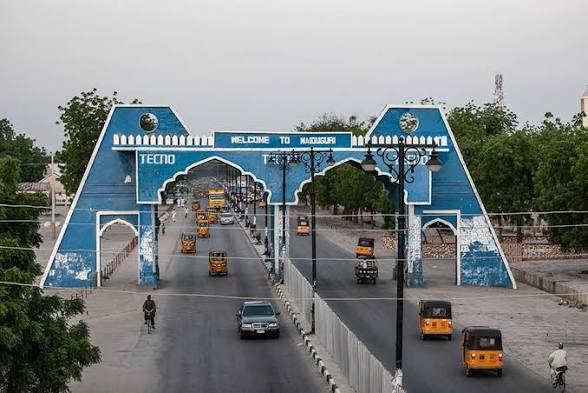
Officials say the burden has fallen heavily on health facilities, particularly in Maiduguri Metropolitan Council, which accounts for more than 2,000 infections. Nearby Jere Local Government Area has recorded over 1,000 cases, while Mafa, Konduga, Monguno, Ngala and Magumeri have also reported significant transmission, stretching available healthcare resources.
In response, authorities are urging residents to strengthen water, sanitation and hygiene practices. The advisory highlighted concerns over contaminated water sources, open defecation and poor waste management, warning that the rainy season could accelerate the spread of the disease if preventive measures are not strictly observed.
Health officials have also called for faster reporting of symptoms such as vomiting and watery diarrhoea, stressing that early medical intervention remains critical. Residents have been advised against relying on informal treatment methods and instead seek care at recognised health facilities, while affected communities are being encouraged to support sanitation and fumigation efforts.
As the state intensifies its response, officials say efforts are underway to secure cholera vaccines, although they maintain that vaccination alone will not stop the outbreak. The agency also acknowledged support from partners including the World Health Organization, UNICEF, Save the Children and Médecins Sans Frontières, while urging communities and government institutions to work together to prevent further loss of life.