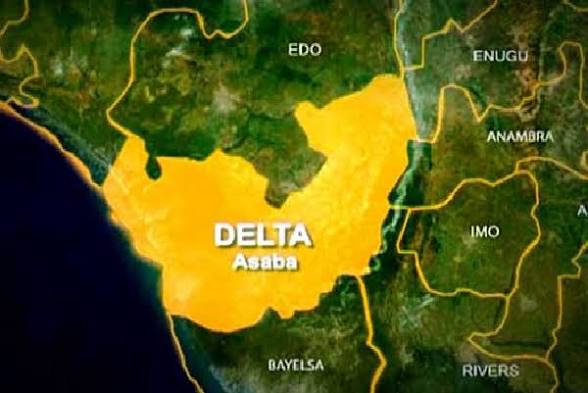
The Itsekiri Youths for Good Governance (IYGG) has sounded the alarm over proposals to decentralise pipeline surveillance contracts in the Niger Delta, highlighting potential economic and operational risks for the region.
In a statement issued on Monday, the group argued that shifting surveillance responsibilities to multiple local operators could undermine the current system, which they say has successfully reduced oil theft, safeguarded infrastructure, and maintained relative peace in the oil-rich region.
The youth organisation described the push for decentralisation as a politically motivated agenda that could inadvertently expose pipelines to illegal bunkering and sabotage. They urged national authorities to prioritise efficiency and proven capacity over regional distribution in managing critical oil infrastructure.
Chairman Mone Oris and Secretary Metsaghanrun S. Oki stressed that the Niger Delta’s current economic stability is tied to uninterrupted operations in the oil sector. “Any disruption to surveillance could have far-reaching consequences for revenue generation, jobs, and community development projects across the region,” the statement said.
Recalling the turbulent history of militancy and pipeline vandalism in the Niger Delta, the group emphasised that the relative calm was a hard-earned achievement. They warned that decentralisation without rigorous oversight might reverse the gains made over the past decade.
The IYGG also called on traditional rulers, youth organisations, and political stakeholders to unite against divisive campaigns, stressing that community cohesion is essential for lawful economic activity and long-term prosperity.
The group concluded by urging President Bola Tinubu to maintain the existing surveillance framework, strengthen operational capacity, and expand logistical support for contractors already demonstrating competence, warning that a fragmented approach could destabilise both the region’s economy and national oil revenues.