Fresh comments by Rabiu Musa Kwankwaso have reopened conversations in Kano over the influence of political mentorship and long-standing power structures within the state’s political landscape, as major actors position themselves ahead of future political contests.
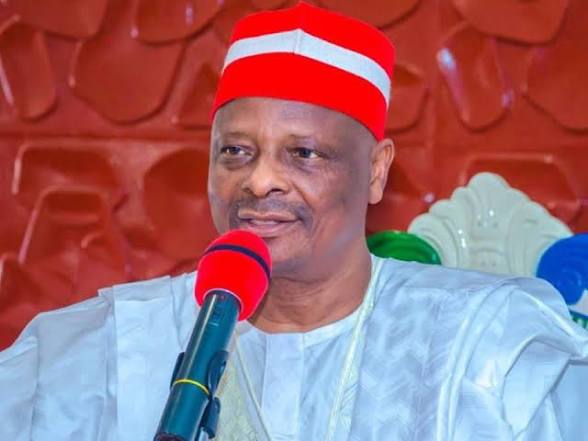
Kwankwaso, speaking on Wednesday at his Miller Road residence in Kano during a gathering of members of the Kwankwasiyya movement, insisted that Kano State Governor Abba Kabir Yusuf and former governor Abdullahi Umar Ganduje both emerged politically under his guidance despite recent tensions and public disagreements among key political figures in the state.
His remarks followed reactions to comments linked to Governor Yusuf, who reportedly questioned why a 69-year-old politician would describe a 63-year-old man as “his boy.” Addressing supporters, Kwankwaso initially treated the issue lightly, joking that some people no longer wanted to be identified that way, drawing laughter from the crowd before shifting to a more serious defence of his political role in Kano.
Speaking in Hausa, the former governor argued that acknowledging political mentorship should not be viewed as disrespectful. He maintained that both Yusuf and Ganduje rose through the political structure he built over the years, a statement that received applause from supporters gathered at the event.
The exchange has since fueled wider discussions among political observers and residents in Kano about the role of political loyalty, succession and influence in Nigeria’s democratic system. Analysts say such debates often reflect deeper struggles over identity, control of political movements and the future direction of regional politics, especially in states with dominant political blocs.
Ganduje had earlier offered his own perspective in a BBC interview, where he acknowledged working closely with Kwankwaso during their time in government but rejected suggestions of a godfather-son relationship. He explained that he became deputy governor after losing party primaries and said their continued alliance at the time was based on political decisions made during that period.