In a dramatic move that underscores the tension between traditional authority and modern political allegiances, the Ojora of Lagos and Iganmu Kingdom, His Royal Majesty Oba AbdulFatai Aremu Aromire Oyegbemi II, has stripped six of his high-ranking chiefs of their titles for allegedly “impersonating” him at a Labour Party campaign rally.
The decision, announced in a stern palace statement, has sent shockwaves through the kingdom, raising questions about the boundaries of political participation for traditional leaders in Nigeria’s increasingly polarized democracy.
The dethroned chiefs—Baales (village heads) and a Balogun (military chief)—were accused of crossing a sacred line: presenting themselves as representatives of the monarch at a partisan event without his blessing.
The affected chiefs include Chief Lateef Ojora, Baale Alaba-Oro; Chief Saliu Biliamin, Baale Alafia Dodoro; Chief Taiwo Hassan, Baale Oke Ira; Chief Idris Oladipupo Ojora, Baale Abule Kere; Chief Hakeem Oseni, Baale Mosafejo Amukoko; and Chief Sule Raji, Balogun Abule Kere.
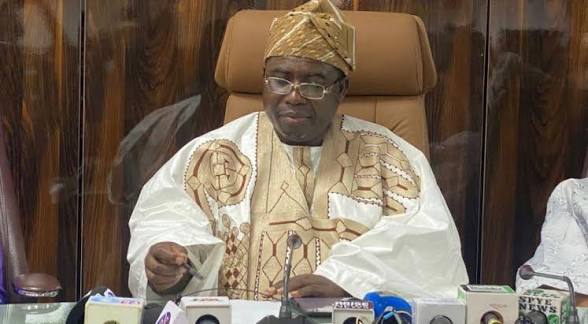
The crisis reached its climax during a tense meeting at the ancient Ojora palace on Monday, where the Oba delivered a blistering rebuke. Eyewitnesses describe a charged atmosphere as the monarch, flanked by loyalists, laid down the law:
“You are not card-carrying members of any political party; you represent the interests of all your people, regardless of their affiliations.”
For Oba Oyegbemi II, the chiefs’ attendance at the Labour Party rally wasn’t just a breach of protocol—it was an act of usurpation. By appearing without his knowledge, they had, in his view, falsely implied his endorsement, a transgression he deemed unforgivable.
Sources within the palace reveal simmering discontent among some chiefs who argue that their participation was misconstrued. One anonymous insider claimed, “They went as private citizens, not as the Oba’s emissaries.”
But the monarch’s stance was unequivocal: in his domain, tradition supersedes individual political leanings. His decision to strip the chiefs of their titles—a rare and severe punishment—signals a zero-tolerance policy for any perceived defiance.
The incident has ignited debate beyond Iganmu. Analysts question whether traditional rulers can—or should—demand political neutrality from their chiefs in a democratic era. Professor Adeola Ogunleye, a historian at the University of Lagos, notes:
“This isn’t just about loyalty to a king; it’s about the evolving role of traditional institutions in a multiparty system. Can chiefs truly divorce themselves from politics when their communities are deeply entrenched in it?”
Meanwhile, the Labour Party has remained silent on the controversy, avoiding any appearance of meddling in royal affairs.
With their titles revoked, the former chiefs now face an uncertain future. Will they seek reconciliation, or will this spark a deeper rift within the kingdom? For now, the Oba’s message is clear: cross the throne at your peril.
As dusk falls over Iganmu, one thing is certain—the clash between tradition and politics is far from over.