With just hours to the Ekiti State governorship election, concerns over the credibility of the voting process have resurfaced following allegations of planned vote-buying by the ruling All Progressives Congress (APC). The claims, made on Thursday by businessman Isaac Fayose, have shifted attention to the role of law enforcement agencies in safeguarding the integrity of the electoral process.
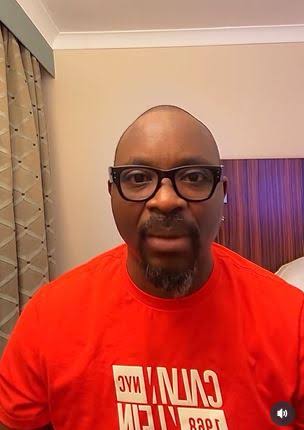
Fayose, who is the younger brother of former Ekiti State Governor Ayo Fayose, alleged in a video posted on his official Facebook page that information available to him suggested preparations were underway to induce voters with cash during Saturday’s election in the South-West state. He did not provide evidence to support the claim.
The businessman called on the Economic and Financial Crimes Commission (EFCC) to deploy its resources effectively and monitor voting centres for any signs of electoral malpractice. According to him, the election presents an opportunity for the anti-graft agency to demonstrate its commitment to tackling vote trading and other financial crimes linked to elections.
Fayose argued that the credibility of elections remains central to Nigeria’s democratic development, maintaining that the emergence of leaders should be determined by the will of voters rather than financial inducements. He expressed concern that electoral misconduct could weaken public confidence in democratic institutions.
The allegation comes at a critical moment as political parties conclude campaigns and voters prepare to head to the polls. Election observers have consistently identified vote-buying as one of the challenges capable of undermining free and fair elections, prompting repeated calls for stricter enforcement of electoral laws.
As the governorship contest approaches, attention is expected to remain on security agencies, electoral officials and political actors to ensure compliance with the law. The EFCC has not publicly responded to Fayose’s remarks, while the APC had not issued an official reaction to the allegation at the time of this report.