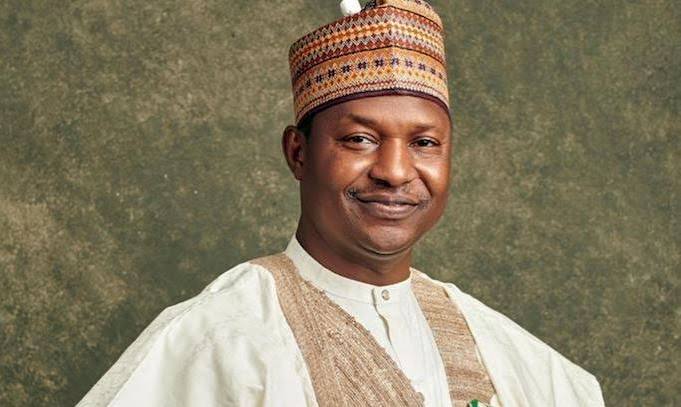
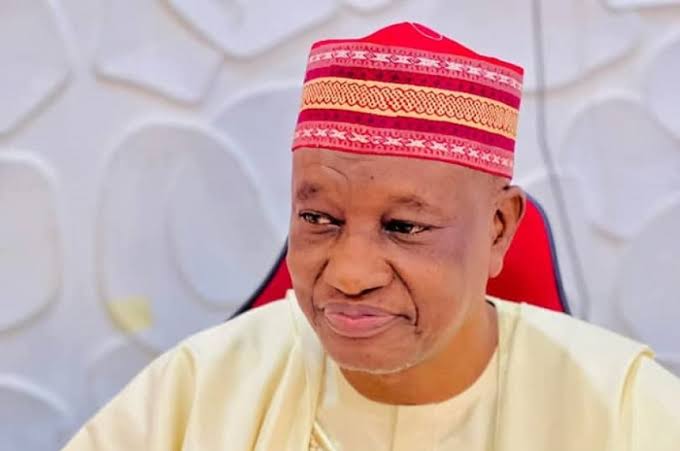
In a striking blend of political brinkmanship and pragmatic praise, former Kaduna Governor Nasir El-Rufai unveiled a dual-edged strategy at the Arewa Tech Fest on Wednesday: a coalition to unseat President Bola Tinubu by 2027, coupled with an unexpected endorsement of Tinubu’s Communications Minister, Bosun Tijani, as a technocrat worth retaining. The move underscores Nigeria’s evolving political calculus, where performance increasingly trumps partisanship—even among sworn adversaries .
El-Rufai, now a leading figure in the Social Democratic Party (SDP) after defecting from the ruling APC in March, arrived late to his own tech festival, citing a clandestine coalition meeting held the prior evening. “There was a very important meeting to ensure President Tinubu goes back to Lagos,” he declared, alluding to a growing opposition alliance.
The coalition’s composition remains opaque, but analysts speculate it includes disgruntled APC members, opposition parties like the PDP, and regional power brokers. El-Rufai’s emphasis on Katsina, a key northwestern state, signals an effort to consolidate northern support ahead of 2027 .
Despite his anti-Tinubu crusade, El-Rufai conspicuously exempted Minister Bosun Tijani from his political crosshairs, lauding him as a “standout performer” whose digital economy initiatives—such as the 90,000km fiber-optic rollout and the 3 Million Technical Talent (3MTT) program—transcend partisan divides . “We will still keep Bosun Tijani because he is doing good work,” El-Rufai asserted, framing the minister as indispensable to Nigeria’s tech future .
El-Rufai’s dual stance—targeting Tinubu while embracing his minister—reflects a broader Nigerian trend: the rise of “technocratic immunity,” where effective cabinet members are shielded from partisan purges.
The Arewa Tech Fest itself became a metaphor for El-Rufai’s ambitions. Beyond its focus on startups and AI, the event served as a platform to rebrand northern Nigeria as both a tech and political powerhouse. “The future of Nigeria is being written here in Katsina, not just Lagos or Abuja,” Tijani declared, echoing El-Rufai’s regionalist vision .
This alignment of tech and politics is deliberate. Northern Nigeria, despite its youth demographic, lags in digital access. Tijani’s pledge to deploy 70,000 telecom towers—80% in the north—and El-Rufai’s advocacy for rapid AI adoption reveal a shared goal: leveraging technology to address unemployment and insecurity, key voter concerns .
The presidency has yet to respond to El-Rufai’s coalition threat, but Tinubu faces a conundrum. Tijani’s popularity complicates efforts to paint the opposition as anti-progress. Meanwhile, El-Rufai’s defection to the SDP—and his alliance-building—threatens to fracture the APC’s northern base, long considered its stronghold .