With a crucial National Executive Committee (NEC) meeting looming, deep-seated fissures within Nigeria’s main opposition party, the Peoples Democratic Party (PDP), have been thrust into the open, as a founding elder issued a public ultimatum to members accused of actively working to sabotage it from within.
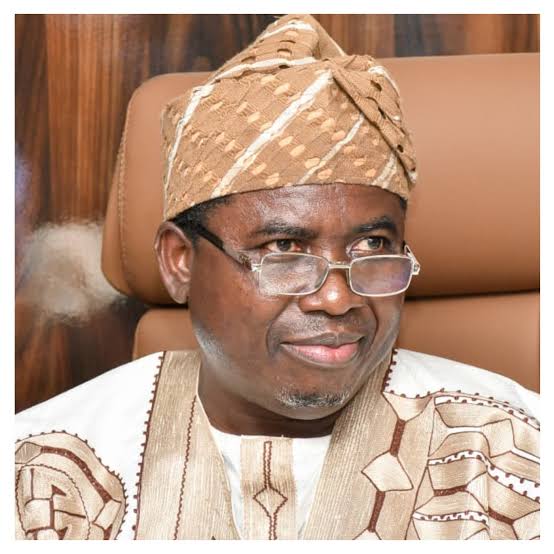
The stark warning came from Chief Bode George, a former Deputy National Chairman and a formidable voice in the party’s history. In a nationally televised appearance on Arise Television’s Morning Show on Friday, George framed the upcoming Monday NEC gathering not as a routine meeting, but as a moment of reckoning for the party’s leadership and its very survival.
Speaking with the gravity of a party patriarch, George articulated a sentiment of frustration that has simmered among a faction of loyalists. He alleged that certain elements, driven by personal ambition and factional loyalties, have engaged in acts of subversion that have weakened the party’s cohesion and electoral prospects. His call was not merely for unity but for the leadership to “take decisive action,” suggesting a purge or significant disciplinary measures against the alleged saboteurs.
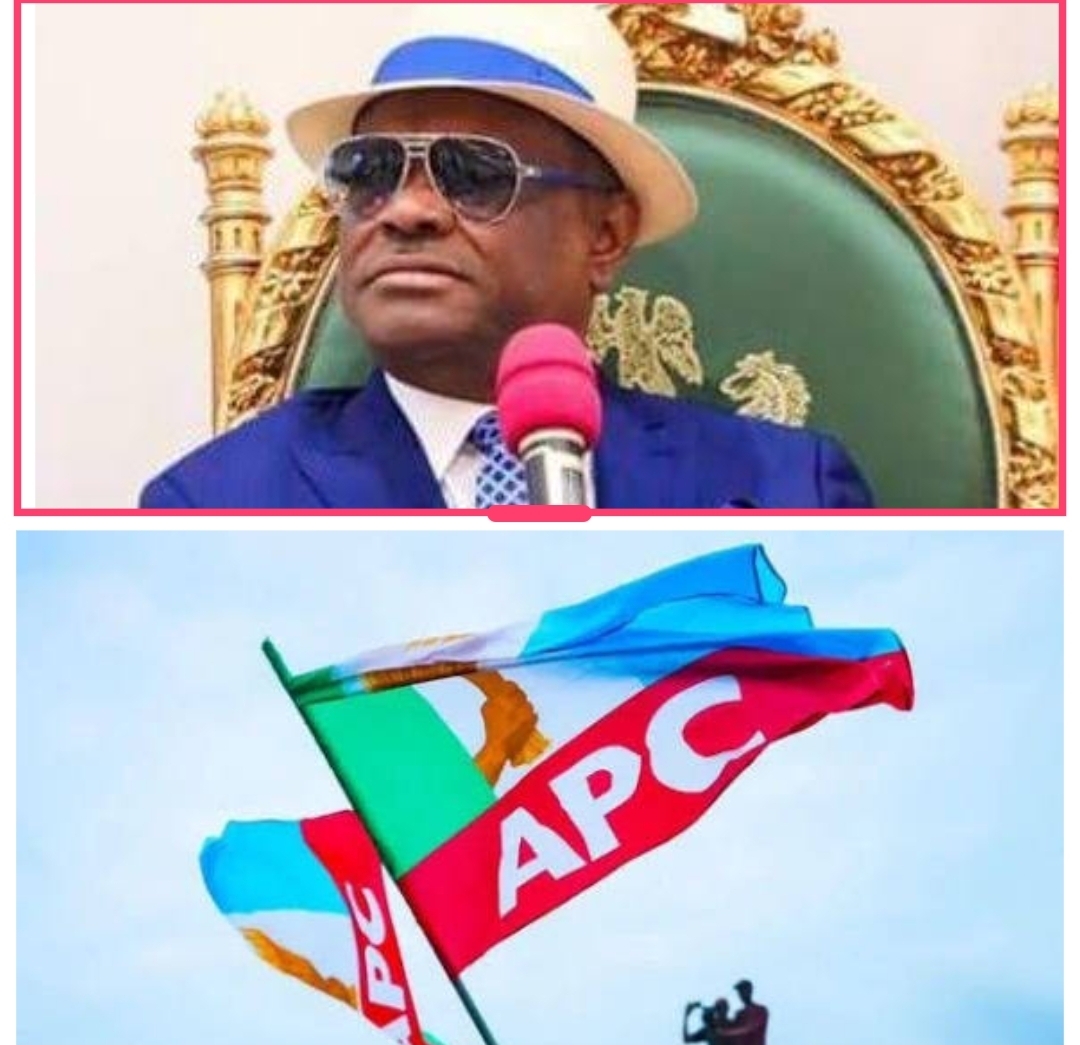
This public airing of the party’s dirty laundry underscores the profound challenges the PDP continues to face in its quest to present a united front against the ruling All Progressives Congress (APC). The internal conflicts, which have often played out in backroom dealings and through anonymous sources, are now being fought on the public stage, signaling a critical juncture.
The NEC meeting, therefore, is poised to be one of the most consequential in recent years. It is expected to be a tense assembly where the party’s direction, leadership accountability, and the very allegations raised by George will be central to the discourse. The outcome will likely determine whether the party can consolidate its forces or if it will succumb further to the internal divisions that have plagued it since its last electoral defeat.
For political observers, George’s intervention is a calculated move to pressure the party’s national working committee ahead of the meeting. It reflects a power struggle between established party stalwarts and a newer, perhaps more disruptive, political class within its ranks. The party’s ability to navigate this strife will be a critical test of its resilience and its capacity to function as a viable opposition force in Nigerian democracy.