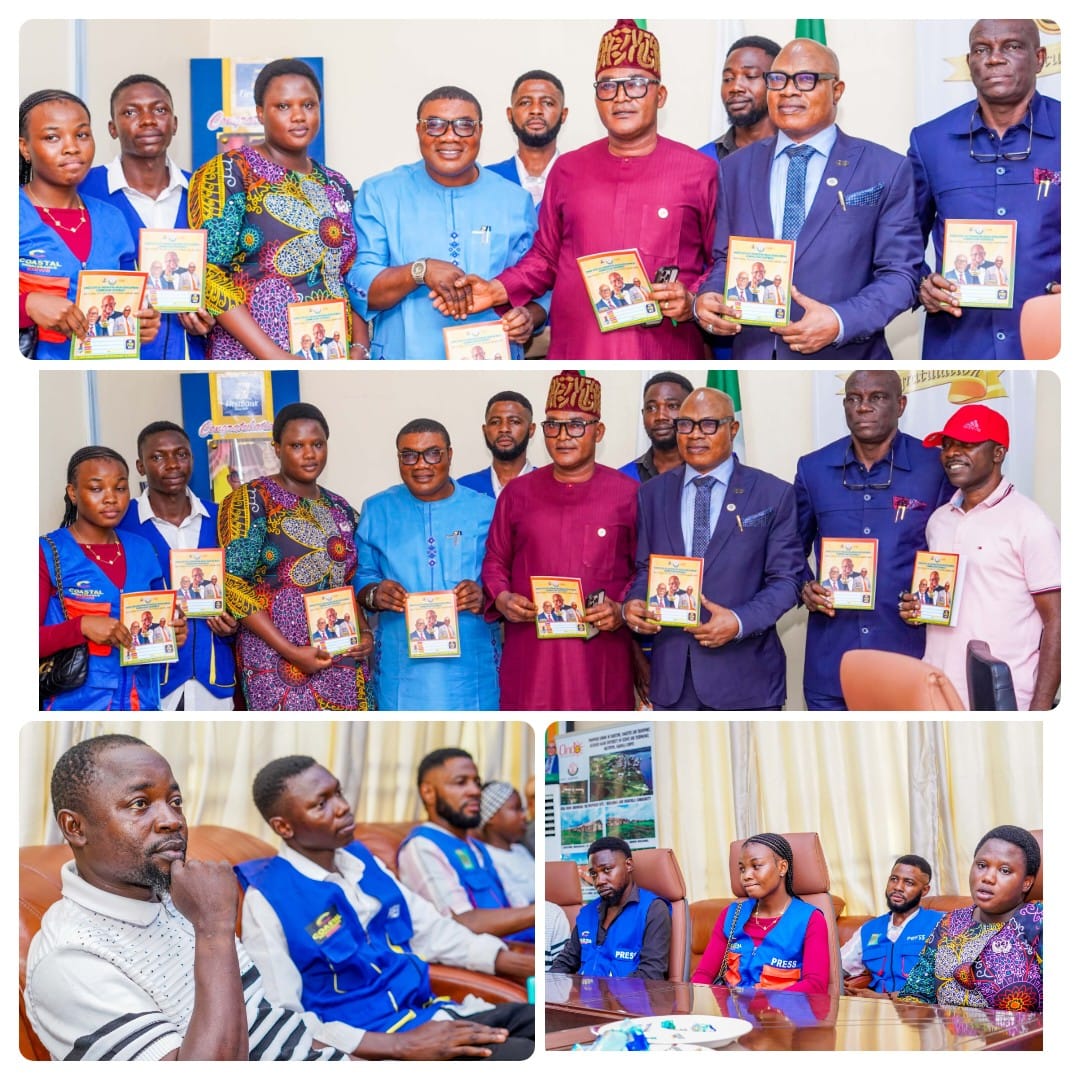
Nigeria’s governance framework as the Supreme Egbesu Assembly begins court action seeking the creation of 24 additional local governments for Bayelsa State, a move with far-reaching policy implications for federalism and resource distribution.
The group announced the decision this week in Yenagoa, saying it has initiated pre-action processes against the federal government and the National Assembly, with letters already dispatched to the Attorney-General of the Federation and lawmakers, requesting a formal response within 21 days.
According to the Assembly, the case centres on what it describes as structural imbalance in local government allocation, arguing that Bayelsa, created in 1996, has significantly fewer councils than other states established in the same period, despite meeting constitutional requirements.
Secretary-General of the group, Felix Tuodolo, told journalists that the Bayelsa State House of Assembly had approved the creation of 24 new local governments in the past, but the absence of ratification by the National Assembly stalled the process, forcing the state to revert to rural development areas.
Beyond local government numbers, the Assembly says the lawsuit raises broader policy questions about fiscal federalism, including calls for greater resource control and a review of the 13 per cent derivation formula, which it considers insufficient for oil-producing Ijaw communities.
The group maintains that its approach marks a deliberate shift from agitation to institutional engagement, relying on the courts to clarify constitutional responsibilities between state and federal authorities and set precedents for addressing similar disputes nationwide.
Other members of the Assembly, including Primrose Oringeriya-Kpolokposei, have expressed confidence that judicial intervention could recalibrate governance outcomes for Bayelsa and reinforce lawful pathways for resolving long-standing political grievances.
As the clock ticks on the 21-day notice, attention is now on how the federal government and lawmakers respond, with analysts saying the outcome could influence future debates on local government autonomy, revenue sharing, and the balance of power within Nigeria’s federal system.