Concerns over transparency are mounting as the Nigerian military begins the trial of personnel accused of plotting to overthrow the government, with journalists barred from witnessing the proceedings in Abuja.
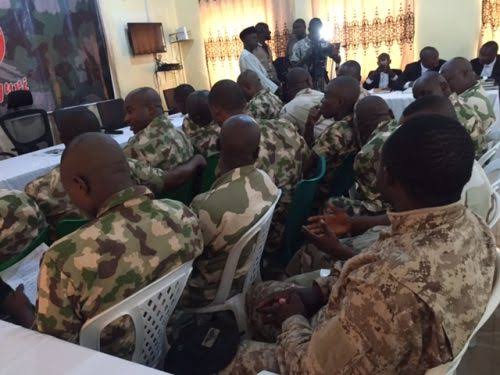
The closed-door hearing, which commenced this week under a General Court Martial, involves 36 serving military personnel facing allegations of mutiny and threats to national security. Although the Defence Headquarters confirmed the trial, reporters who had been invited to cover the inauguration were unexpectedly asked to leave shortly after the accused officers were brought into the venue.
Eyewitnesses say the journalists were escorted out without explanation, raising questions about openness in a case that authorities describe as critical to national stability. The proceedings, taking place under tight security, are linked to a broader investigation into an alleged attempt to unseat President Bola Tinubu.
According to military authorities, the trial follows a formal 13-count charge filed days earlier at the Federal High Court against six individuals, including senior security personnel. Officials say the court martial is intended to address serious breaches within the armed forces and reinforce discipline, with assurances that due process will be followed throughout.
However, the decision to restrict media access has drawn attention to how such high-profile cases are handled, especially given earlier invitations extended to journalists. Observers note that transparency is often seen as key to public confidence in both the military justice system and broader democratic institutions.
The case itself has evolved over time. Initial reports in late 2025 pointed to internal disciplinary issues among officers, but subsequent investigations led the military to confirm in early 2026 that a coup attempt had been uncovered. The ongoing trial is expected to determine the extent of involvement and culpability, even as calls grow for greater openness in proceedings of such national importance.