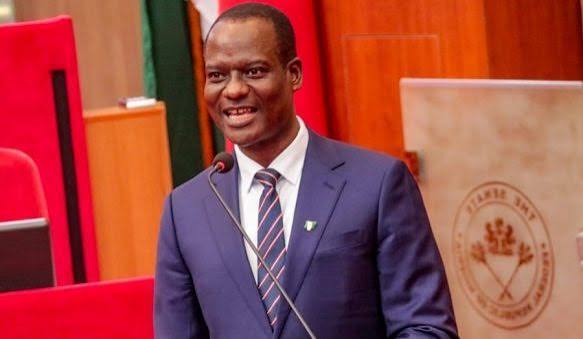
With the Senate approving legislation for the creation of state police, attention is now turning to the policy and governance challenges that could determine how effectively the proposed security structure functions across the country.
Speaking during an interview on Wednesday, Senator Ali Ndume, who represents Borno South Senatorial District, said the passage of the bill marks only the beginning of a broader conversation on implementation. According to him, critical issues surrounding funding, legal authority and operational procedures must be resolved before state police can become fully functional.
Ndume noted that state governors have largely supported the idea of decentralised policing as part of efforts to strengthen security at the grassroots. However, he cautioned that translating the proposal into a workable system would require clear constitutional and administrative safeguards.
The lawmaker stressed that lawmakers and policymakers must examine how state police formations would be financed, particularly at a time when many sub-national governments face varying levels of fiscal pressure. He argued that sustainable funding arrangements would be essential to prevent operational weaknesses and ensure consistent service delivery.
He also raised concerns about accountability mechanisms, saying there must be clear rules governing the conduct, supervision and responsibilities of state police personnel. According to him, legal frameworks must define how the new security structure interacts with existing federal institutions and how potential disputes would be resolved.
The discussion comes as Nigeria continues to explore new approaches to addressing insecurity in different parts of the country. While supporters view state police as a pathway to improved local intelligence and faster response to threats, policymakers are increasingly focused on ensuring that the framework is backed by strong laws, adequate resources and effective oversight before implementation begins.