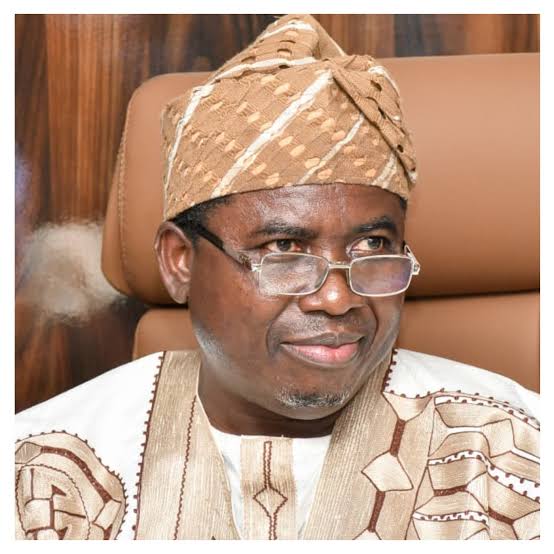
A bold move by the West African Examinations Council (WAEC) to digitize its senior secondary exams has sparked a heated national debate, with critics warning that the transition threatens to lock millions of rural students out of academic certification. At the center of the storm is Hon. Chinedu Ogah, a federal lawmaker from Ebonyi State, who has issued a stark caution: Nigeria’s glaring digital inequality could turn WAEC’s computer-based testing (CBT) ambitions into an “elitist experiment,” leaving behind a generation of learners already crippled by infrastructural neglect.
Last month, WAEC announced plans to phase out pen-and-paper exams for the West African Senior School Certificate Examination (WASSCE) by 2026, adopting the CBT model championed by institutions like JAMB. While proponents argue the shift aligns with global trends in education technology, critics like Hon. Ogah insist the council is overlooking a critical flaw: over 60% of Nigeria’s rural population lacks access to basic digital tools, reliable electricity, or internet connectivity.
Beyond infrastructure, Ogah, a self-described “science-oriented legislator,” challenges the pedagogical feasibility of CBT for core subjects. “How do you replicate a chemistry practical or test a student’s ability to solve quadratic equations step-by-step on a screen?” he asked, echoing widespread skepticism among educators.
WAEC’s plan draws inspiration from JAMB, which transitioned to CBT in 2015. While JAMB’s Registrar, Prof. Ishaq Oloyede, hails the system for reducing malpractice, critics highlight persistent hiccups: cyberattacks, software glitches, and recurring reports of rural candidates traveling hours to urban centers for exams.
Ogah is not advocating against digitization outright. Instead, he urges a phased approach, starting with federal investments in rural electrification, computer labs, and teacher training. “Let’s first equip schools with desks and textbooks before demanding keyboards,” he said, referencing UNICEF’s 2022 report revealing that 43% of Nigerian schools lack functional furniture.
His proposal aligns with broader demands for Nigeria’s Universal Service Provision Fund (USPF)—a N15 billion annual telecom levy—to prioritize educational connectivity. So far, less than 10% of the fund has been deployed for such projects.