A growing debate over Nigeria’s public finances has taken a new turn, with the federal government pushing back against claims that a significant share of national revenue is being diverted, following recent interpretations of a World Bank report.
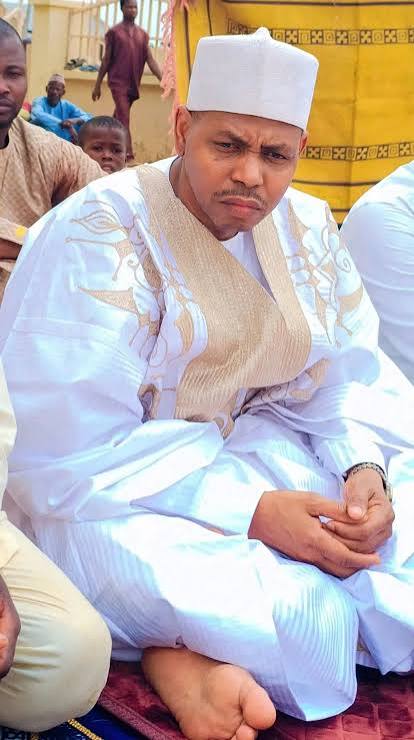
The Minister of State for Finance, Dr. Taiwo Oyedele, in a statement issued on Sunday in Abuja, said conclusions suggesting “hidden spending” or diversion of funds misrepresent the findings of the World Bank’s latest Nigeria Development Update. He maintained that the report has been misunderstood, particularly in how the country’s fiscal system operates.
The World Bank had noted that while total federation revenue rose to about N84 trillion between 2023 and 2025, a substantial portion estimated at over 40 per cent was deducted before reaching the Federation Account. These deductions, described as first-line charges, include statutory obligations and cost-related payments handled prior to distribution among federal, state, and local governments.
According to government officials, these deductions are part of established fiscal procedures and should not be interpreted as misappropriation. They argue that such mechanisms are built into the revenue framework and are necessary for managing obligations tied to revenue generation and administration.
However, the figures have sparked concern among civil society groups, with some calling for a closer review of how public funds are managed. Advocacy organisations, including ActionAid Nigeria, have urged authorities to conduct a forensic audit, warning that the scale of deductions could point to deeper structural issues affecting fiscal transparency and accountability.
As both sides present their positions, the issue has highlighted broader questions about how increased national earnings translate into public services and development. Analysts say clearer communication and greater transparency in revenue processes will be key to restoring public confidence and ensuring that fiscal gains are felt across all levels of society.