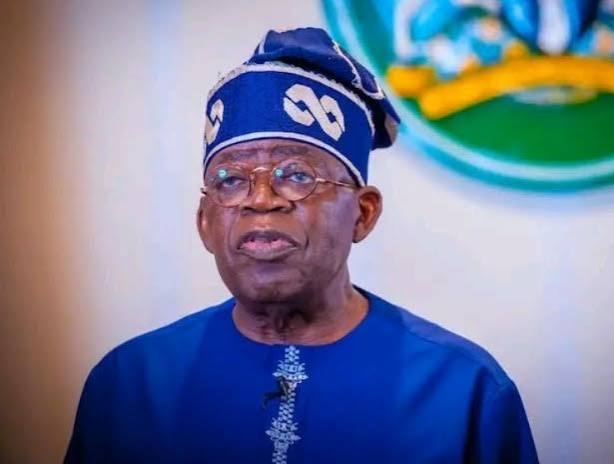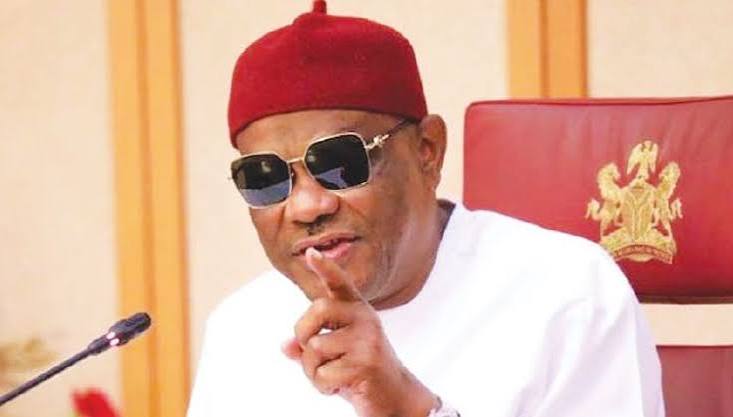
A former top official of the nation’s electoral body has revealed plans to spend a staggering N870 billion to organize the next general election. This massive budget, which equals about 600 million US dollars, was shared by Professor Bolade Eyinla, who until recently was the Chief Technical Adviser to the head of the Independent National Electoral Commission (INEC). The figure throws a spotlight on the huge financial burden of conducting elections in Africa’s most populous nation.
The projection, coming from a key insider, points to the complex and expensive logistics required to vote millions of citizens. This includes everything from printing ballot papers and hiring staff to securing sensitive materials and deploying technology across the country’s vast terrain. The announced sum sets the stage for a major funding request from the government, even as many citizens struggle with a high cost of living.
When compared to past elections, the planned spending shows a sharp rise. The 2023 general election, widely noted for its size and challenges, cost significantly less. This steady increase in the price tag of democracy is likely to spark a national debate on the need for such large expenses and whether the results justify the constant financial climb.
With this early warning, lawmakers and the public are now faced with a critical question: is this nearly one-trillion-naira investment a necessary cost for a credible election, or does it represent a financial strain the nation can ill afford? The debate over the true price of democracy in Nigeria is now officially open.