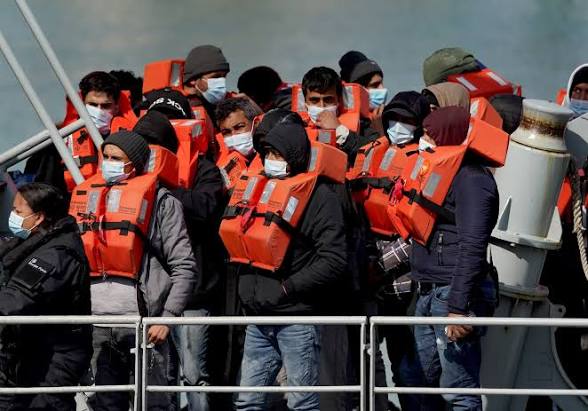
A new migration agreement between the United Kingdom and Nigeria is raising questions about how returning citizens will be reintegrated, as both countries move to accelerate the deportation of failed asylum seekers and convicted offenders.
The deal, reached during President Bola Tinubu’s recent state visit to the UK, is designed to simplify deportation procedures by reducing documentation requirements and administrative delays. Officials say the agreement will allow Nigerian authorities to accept alternative travel documentation in place of passports, making removals faster.
According to UK authorities, at least 961 Nigerians whose asylum claims have been rejected, along with over 1,100 convicted offenders, are currently awaiting deportation. The new arrangement is expected to increase the pace at which these individuals are returned to Nigeria in the coming months.
While officials from both countries describe the agreement as a step toward improving immigration control, analysts say the development could place additional pressure on Nigeria’s social and economic systems, particularly in areas of employment, housing, and rehabilitation for returnees.
Nigeria’s Interior Minister, Dr. Olubunmi Tunji-Ojo, said the country is committed to meeting its international obligations, adding that the partnership could serve as a model for future agreements. UK officials also defended the move, saying it is aimed at maintaining fairness in the immigration system and ensuring compliance with the law.
Beyond deportations, the agreement includes measures to tackle cross-border crimes such as fraud and cybercrime, with both countries pledging closer cooperation. Authorities say new systems will be introduced to verify visa applications and prevent abuse of migration channels.
However, experts warn that without structured reintegration programmes, the influx of returnees could create new challenges at the community level. They stress the need for coordinated policies that go beyond enforcement, focusing on rehabilitation, skills support, and long-term social stability for those returning home.