Nigeria’s evolving political landscape is entering a critical phase, as opposition movements and parties recalibrate strategies under tight electoral timelines set by the Independent National Electoral Commission (INEC), raising fresh questions about party readiness and compliance ahead of the 2027 general elections.
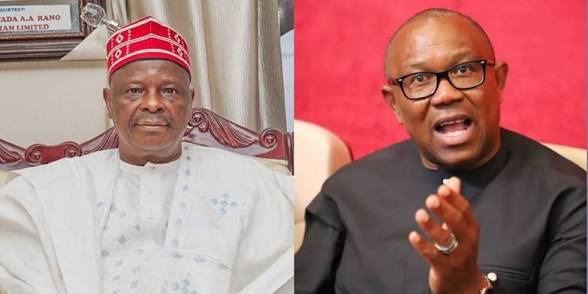
With INEC’s May 10 deadline for submission of party membership registers fast approaching, reports indicate that major political blocs, including the Obidient and Kwankwasiyya movements, are gravitating toward the Nigeria Democratic Congress (NDC), a development seen by analysts as a response to mounting legal and structural uncertainties within existing platforms.
The realignments come amid unresolved leadership disputes in the African Democratic Congress (ADC), following a recent Supreme Court ruling that recognised a factional leadership but returned the matter to lower courts for retrial. Political observers say the situation has complicated the ability of opposition figures to consolidate under a stable platform within the limited timeframe.
Key political actors are now weighing their options. While supporters of former Anambra State Governor Peter Obi and former Kano State Governor Musa Kwankwaso are reportedly preparing for a possible shift to the NDC, both camps have stopped short of confirming final decisions, stating that consultations are still ongoing with multiple parties.
At the same time, Bauchi State Governor Bala Mohammed has formally exited the Peoples Democratic Party (PDP) to join the Allied Peoples Movement (APM), citing internal instability within his former party. His move, which includes a declared senatorial ambition, underscores a broader trend of strategic repositioning among political leaders ahead of the next electoral cycle.
Within party structures, officials are also responding to the uncertainty. The NDC has stated that its platform remains open to new entrants, while the ADC insists it will meet all legal requirements and field candidates despite ongoing litigation. Both positions highlight the tension between legal compliance and political maneuvering as deadlines draw closer.
Stakeholders warn that the compressed timeline could affect party primaries, candidate selection, and overall electoral preparedness. According to political insiders, failure to resolve internal disputes quickly may limit the ability of opposition parties to present credible alternatives, potentially reshaping the competitive dynamics of the 2027 elections.
As consultations continue across party lines, the coming days are expected to be decisive, not just for individual political ambitions, but for the structure and strength of opposition politics in Nigeria’s democratic process.