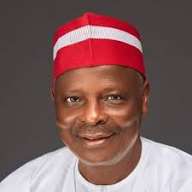
Senator Rabiu Musa Kwankwaso, the 2023 presidential candidate of the New Nigeria People’s Party (NNPP), has publicly declared his willingness to rejoin the All Progressives Congress (APC), but only under explicitly defined terms that guarantee political value for himself and his supporters. This move, revealed during a meeting with APC defectors in Kano, highlights Kwankwaso’s insistence on tangible benefits, including recognized positions and influence, as a condition for any merger. His stance underscores a calculated effort to avoid past experiences of being sidelined after alliances, referencing unfulfilled promises during the eight-year tenure of former President Muhammadu Buhari.
Kwankwaso’s potential defection is rooted in historical grievances. He emphasized his foundational role in the APC’s creation in 2013, noting that he and other key figures endured political persecution from agencies like the EFCC and ICPC during the party’s formation. Despite their contributions, he lamented being overlooked during Buhari’s administration, stating, “We were not given anything, not even a thank you.” Similarly, his later shift to the PDP resulted in further neglect, including denied leadership roles such as a zonal chairmanship. These experiences have shaped his current demand for “strong promises” and concrete guarantees before any political alignment.
The NNPP, however, has reacted with sharp criticism to Kwankwaso’s negotiations. The party’s National Secretary, Oginni Olaposi, accused Kwankwaso of betraying the trust of the NNPP by attempting to hijack the party from its founder, Dr. Boniface Aniebonam. Olaposi stated that Kwankwaso’s departure would be a “huge relief,” citing ongoing internal conflicts and legal battles over the party’s logo and structure. This internal rift suggests that Kwankwaso’s move could fracture the NNPP, which currently holds significant influence in Kano State and has national structures, including gubernatorial candidates in all states.
From a broader political perspective, Kwankwaso’s potential return to the APC could significantly alter the landscape ahead of the 2027 elections. His conditions include securing substantial offers for NNPP members, reflecting his awareness of the party’s value as a mass movement with populist ideals and welfarist policies . Analysts suggest that this move is part of a larger strategy by the APC to consolidate power by absorbing opposition figures, thereby weakening parties like the PDP and Labour Party. However, Kwankwaso remains open to dialogue with both APC and PDP, emphasizing that any alliance must be based on transparency and mutual respect to avoid repeated betrayals.
The outcome of these negotiations could redefine opposition politics in Nigeria, either strengthening the APC’s dominance or fragmenting the NNPP’s base. Kwankwaso’s insistence on clear terms underscores a shift toward transactional politics, where ideological alignment takes a backseat to pragmatic power-sharing agreements. As the 2027 elections approach, his decision will not only determine his political future but also influence the stability of Nigeria’s party system and the prospects for a united opposition front against the ruling APC.