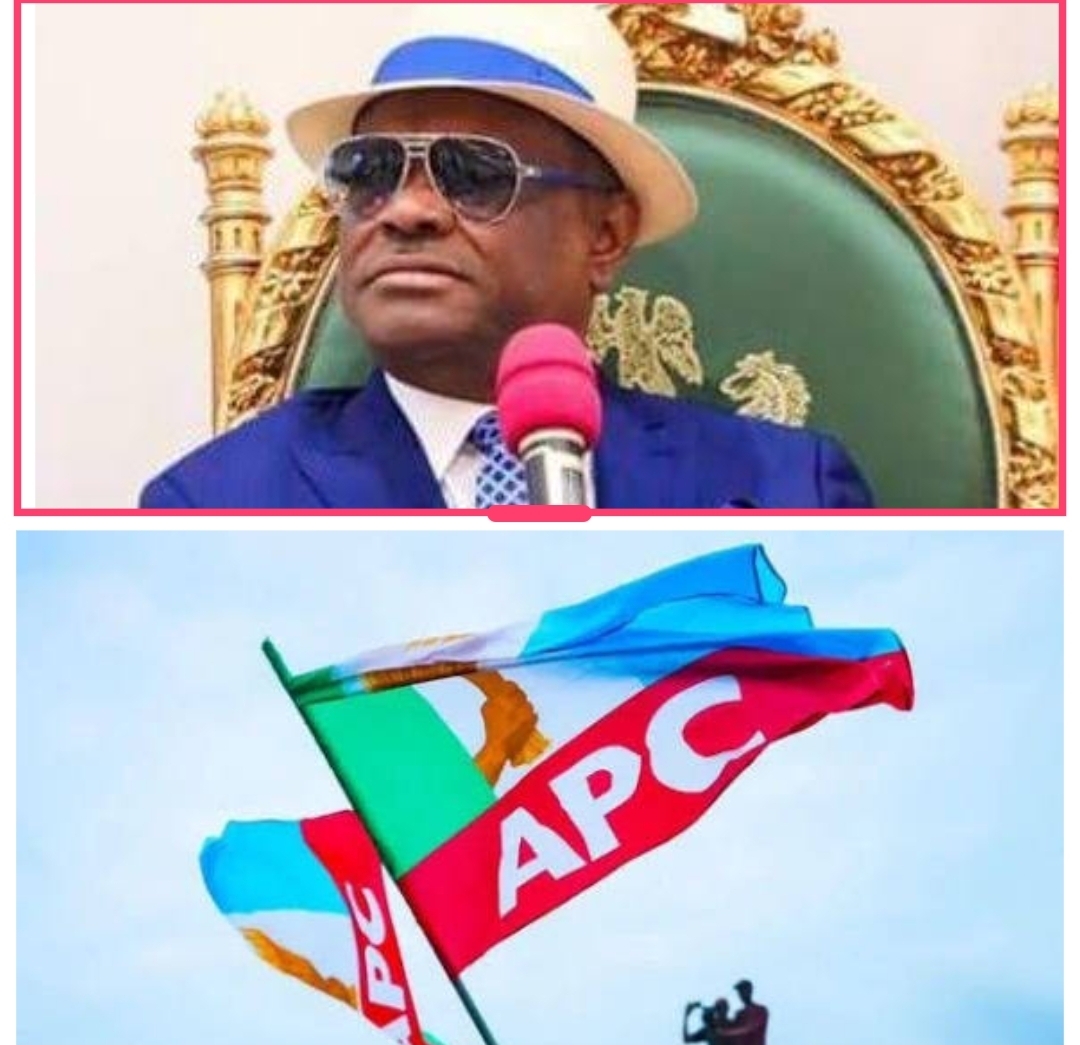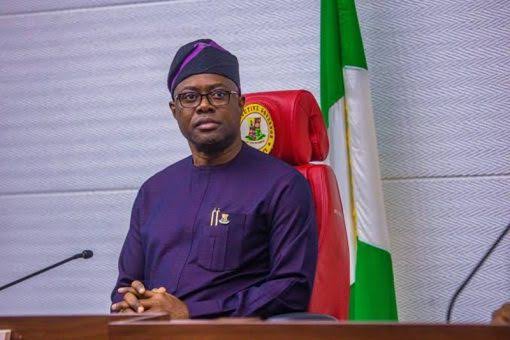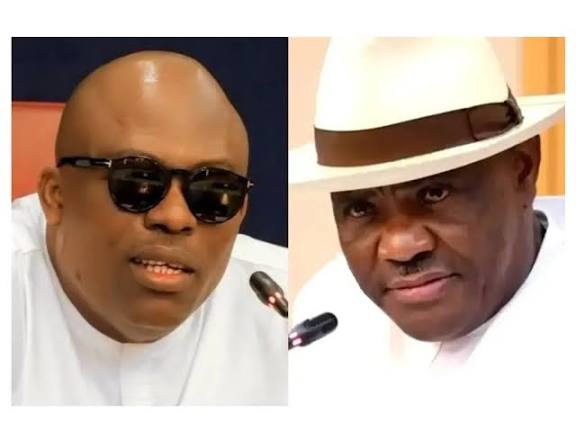
In a carefully brokered political settlement that has reshaped power dynamics in Nigeria’s oil-rich Rivers State, Governor Siminalayi Fubara has returned to office following a six-month emergency rule, but political analysts suggest his authority has been significantly weakened. The resolution, mediated by President Bola Tinubu, ends a bitter feud between Fubara and his predecessor, Federal Capital Territory Minister Nyesom Wike, that had paralyzed governance and escalated into violent confrontations between their supporters.
The conflict originated from a classic struggle for control, with Governor Fubara attempting to assert his independence while Wike sought to maintain influence over the political machinery he had built. What began as political posturing quickly escalated into open warfare, featuring impeachment attempts, bomb blasts at party secretariats, and the defection of 25 state House of Assembly members loyal to Wike. The crisis reached its nadir when local government elections in October 2024 turned violent, with secretariats razed and multiple deaths reported .
President Tinubu invoked constitutional powers in March 2025 to declare a state of emergency, citing “a total paralysis of governance” and rampant pipeline vandalism that threatened national economic interests. The unprecedented move suspended Fubara, his deputy, and the state legislature for six months, marking the first such federal intervention since 2013 . During this period, retired navy chief Vice Admiral Ibokette Ibas governed the state while Tinubu facilitated reconciliation talks between the warring factions .
The peace agreement, though celebrated publicly, reportedly came with significant concessions from Fubara. Sources indicate the governor agreed not to seek re-election in 2027, accepted Wike’s leadership, and yielded control over local government nominations to his predecessor . This political settlement coincides with electoral setbacks for Fubara’s faction—the All Progressives Congress won 20 local government areas in recent polls compared to just three for the governor’s Peoples Democratic Party .
Political scientists describe Fubara’s return as fundamentally compromised. “The wings of Fubara have been clipped and even if he does not decamp to the APC, he will be a toothless bulldog when the election comes,” observed Professor Kamilu Fage of Bayero University Kano. Another analyst noted the governor now operates without control over either the legislative or local government structures, essential tools for any state executive .
Despite these constraints, Fubara has struck a conciliatory tone, thanking both Tinubu and Wike for restoring stability and vowing to focus on development priorities. “There remain ample opportunities for necessary adjustments, reconciliation, and inclusiveness,” the governor stated in his return address, acknowledging that “the costliest peace is cheaper than the cheapest war” . Yet whether this hard-won peace can deliver effective governance remains uncertain, as the agreement appears to have resolved immediate conflicts while creating a fundamentally weakened governorship.