In a dramatic move signaling a profound shift in national education strategy, the Federal Government has declared a seven-year moratorium on establishing any new federal universities, polytechnics, or colleges of education. This sweeping policy, approved Wednesday at the highest level by President Bola Tinubu’s Federal Executive Council (FEC), confronts not just decaying lecture halls and labs, but a deeper crisis: the dangerous dilution of academic quality driven by relentless institutional expansion.
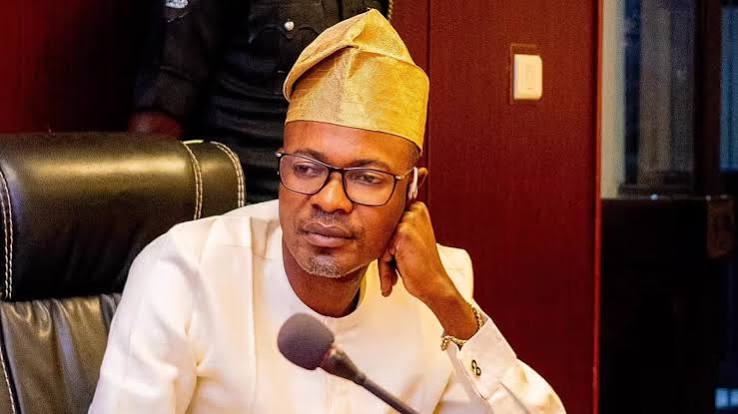
Education Minister Tunji Alausa framed the decision as an urgent rescue mission for Nigeria’s tertiary education system. “The existential challenge we face today transcends mere access,” Alausa asserted following the landmark FEC session. “We are grappling with the insidious consequences of proliferation. Every new institution, however well-intentioned, fragments already perilously stretched resources. This fragmentation has accelerated the decay of essential infrastructure across the board, undermining the very foundation of learning our students desperately need.”
The Minister painted a stark picture of the stakes involved, moving beyond crumbling concrete to the future prospects of graduates. “This moratorium is a critical intervention to halt the accelerating decay,” he emphasized. “Without it, the deterioration will inevitably corrode educational standards. The ultimate casualty? The employability of our graduates. We risk churning out young Nigerians bearing degrees from institutions whose very credibility has been compromised by neglect born of overreach.”
Demonstrating immediate commitment to the new “consolidate, don’t proliferate” doctrine, Minister Alausa issued a decisive directive to the Tertiary Education Trust Fund (TETFund), the key agency tasked with infrastructural intervention. TETFund’s entire 2025 allocation, he mandated, must be channeled exclusively towards rehabilitating and upgrading existing, dilapidated facilities across the current federal tertiary landscape. Funding for new construction projects under TETFund’s purview is now firmly off the table.
This unprecedented seven-year freeze represents a fundamental acknowledgement by the Tinubu administration that Nigeria’s tertiary education system has reached a critical juncture. Years of rapid expansion, often driven by political considerations and regional demands for access, have collided violently with chronic underfunding and weak oversight. The result is a network of institutions straining under the weight of their own numbers, where libraries lack current texts, laboratories are ill-equipped, hostels are overcrowded, and maintenance backlogs stretch into years.